
Reconnect With Nature
Haere Mai | Welcome
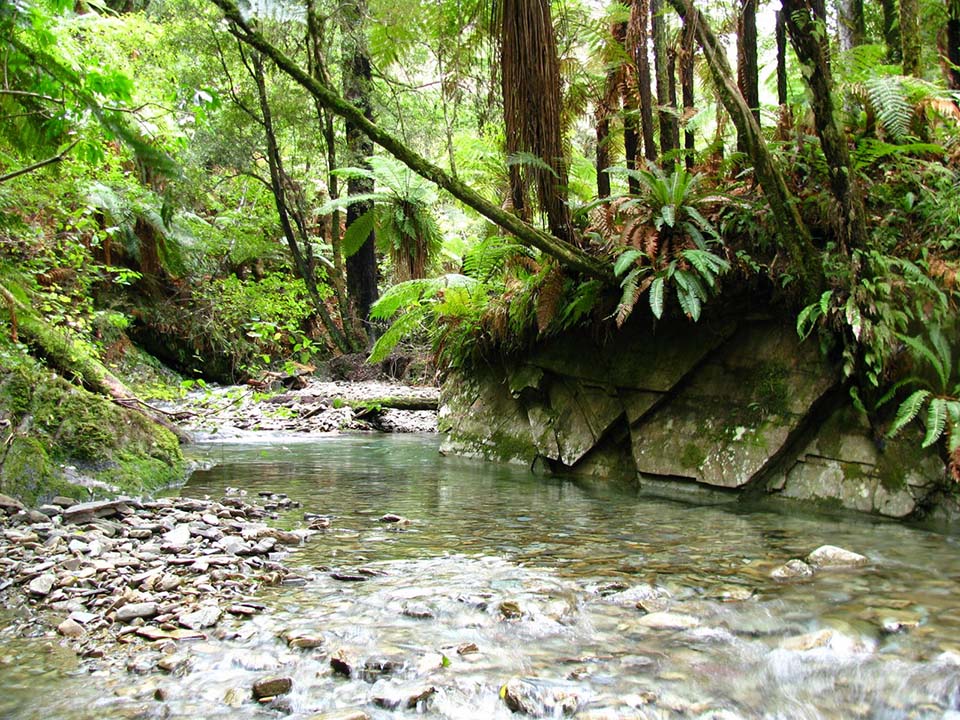
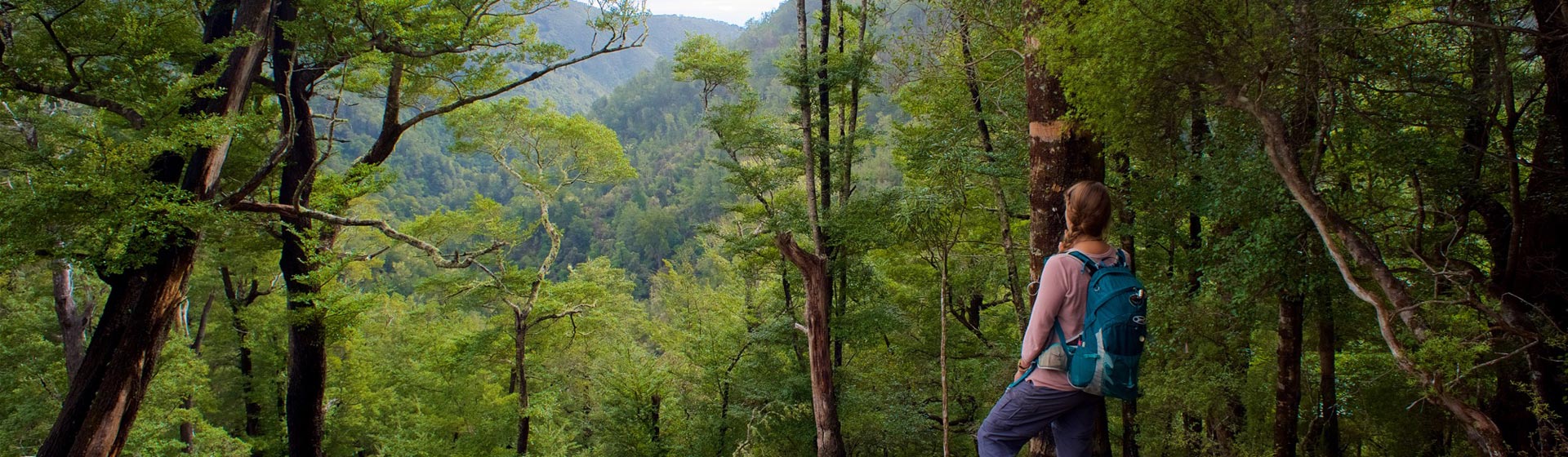
Just minutes from Nelson, the Brook Waimārama Sanctuary is the largest fenced wildlife sanctuary for endangered plants and animals in the South Island. Abundant with native species that both delight and surprise, visitors are able to immerse themselves in the beauty of New Zealand native bush, breathe deeply, and truly appreciate our sense of place and mauri (life force).
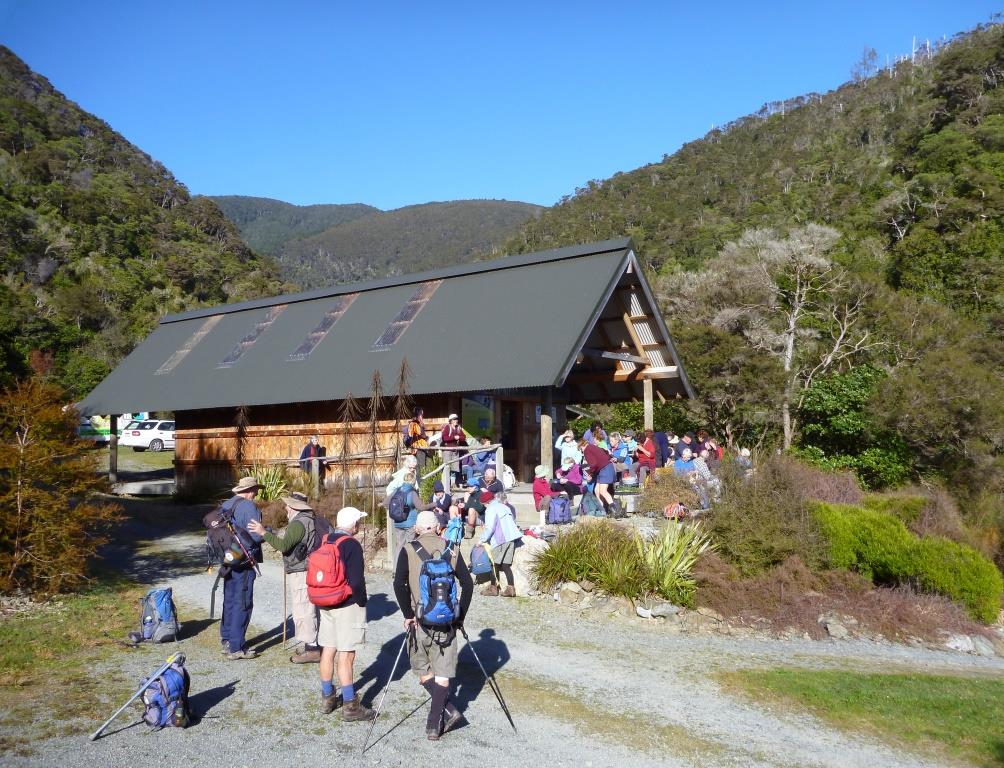
Home to iconic species like the kiwi, tuatara, and kākāriki, the Sanctuary offers self-guided exploration across 15km of walking tracks, as well as guided day and night tours. Don’t miss one of the South Island’s top attractions and your chance to hear (or maybe see) a kiwi in its natural habitat.

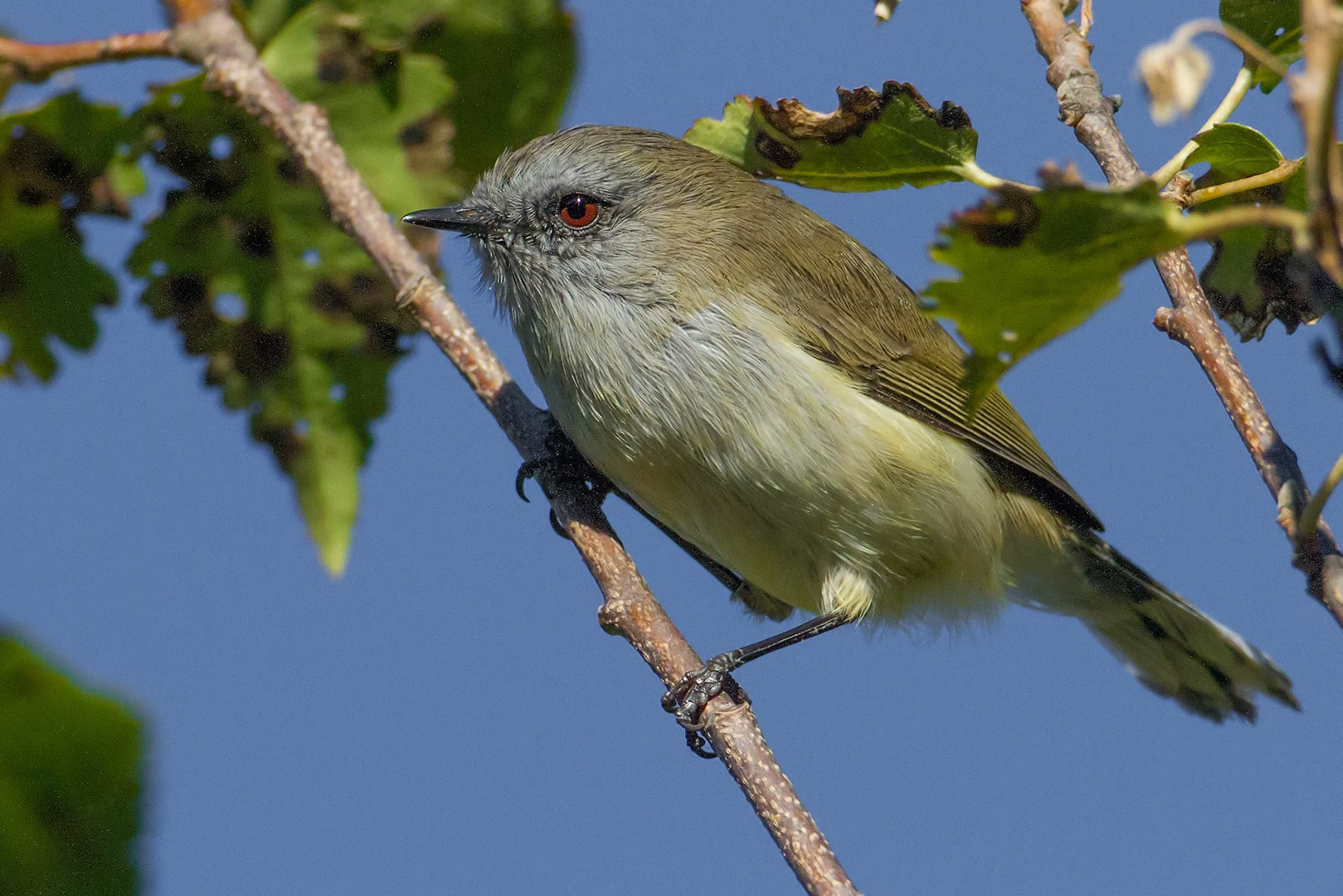
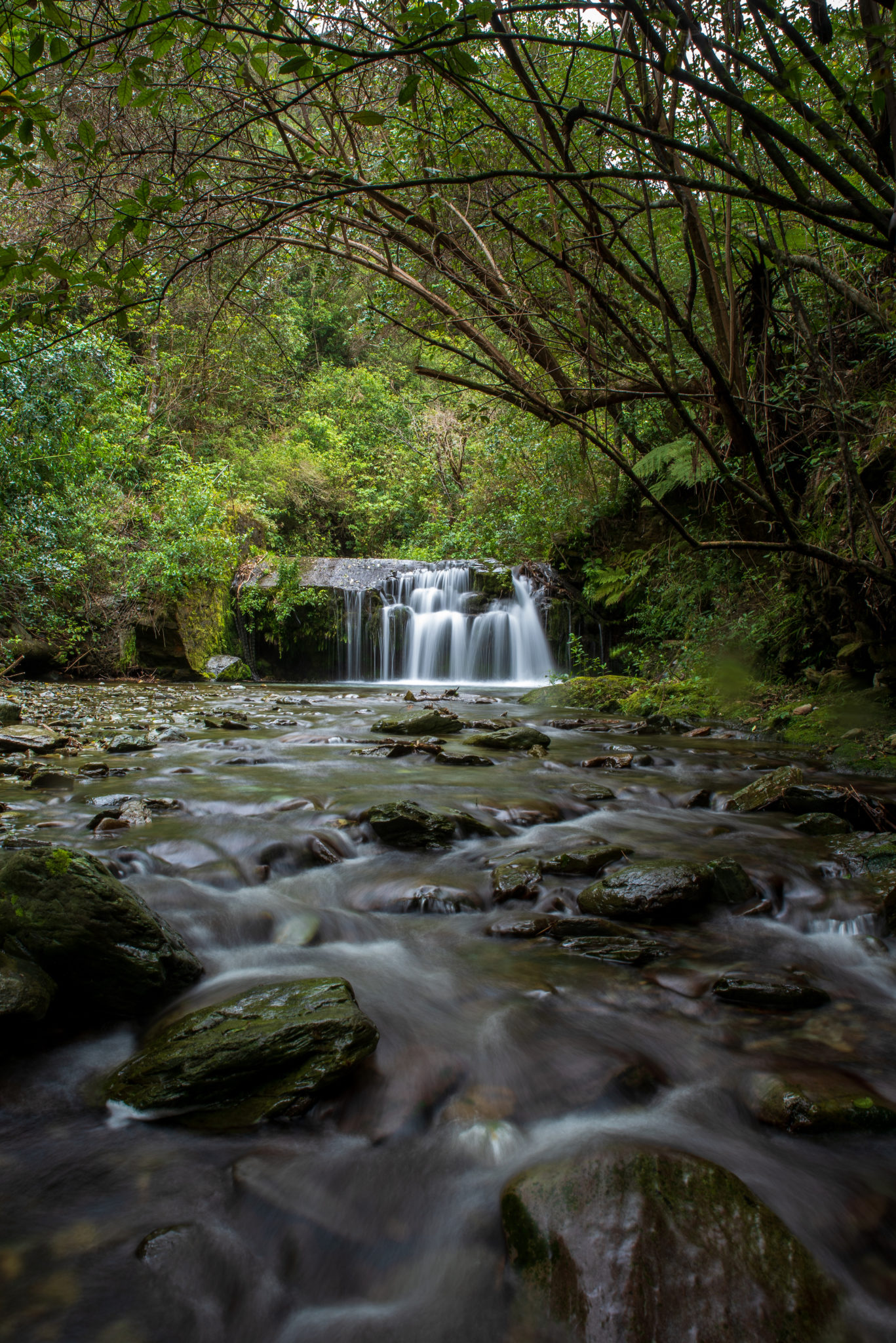
Lots to see and do
Nestled in Nelson’s Brook Valley, the Sanctuary spans 690 hectares of protected native bush, surrounded by 14.3 kilometres of pest-proof fencing. This predator-free environment enables the safe return of some of Aotearoa’s most endangered species.
The Sanctuary is the largest of its kind in the South Island and the second largest in the country; it is the only sanctuary to feature primarily mature New Zealand beech forest.
- 15km of walking tracks
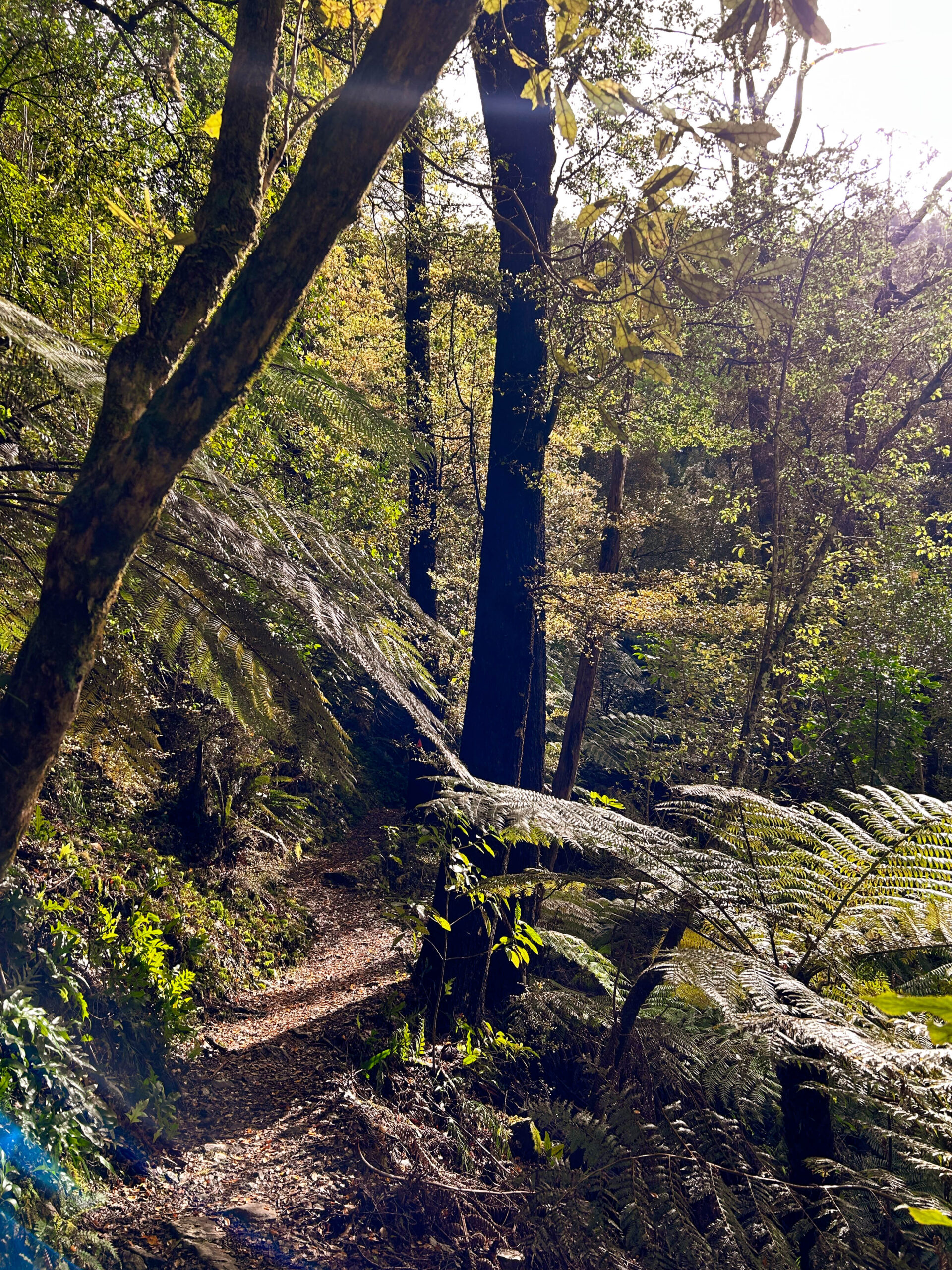
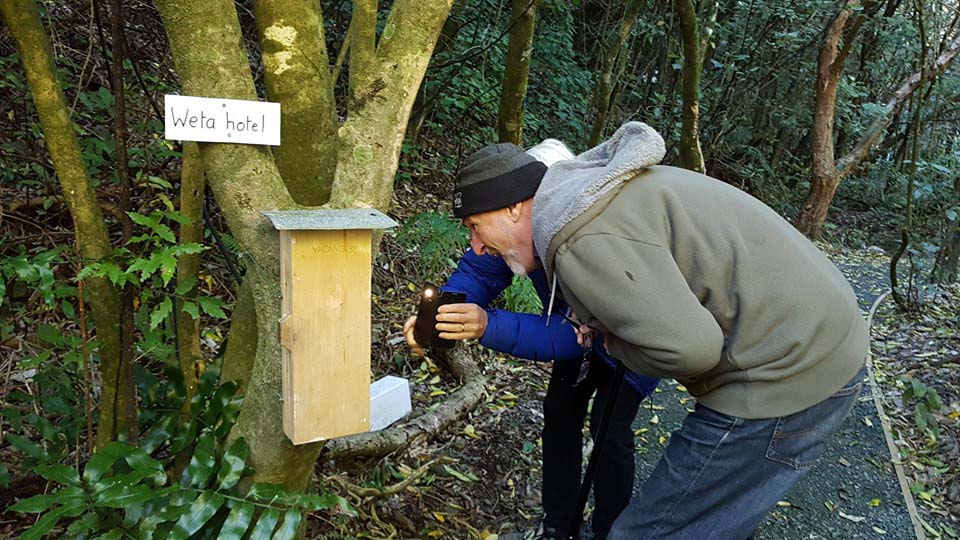
- 45-minute easy loop walk with waterfalls, sculpture trail, picnic spots and more
- Guided day and night tours
- Home to kiwi, tuatara, the largest population of kākāriki karaka & many other endangered species
- Just 5km from Nelson City Centre
Find out more about our walks, facilities and what you can do at the Sanctuary here.
What’s happening at the Sanctuary?
Translocations, new chicks, competitions, children’s activities, corporate events – there’s always something new happening at the Brook Waimārama Sanctuary!
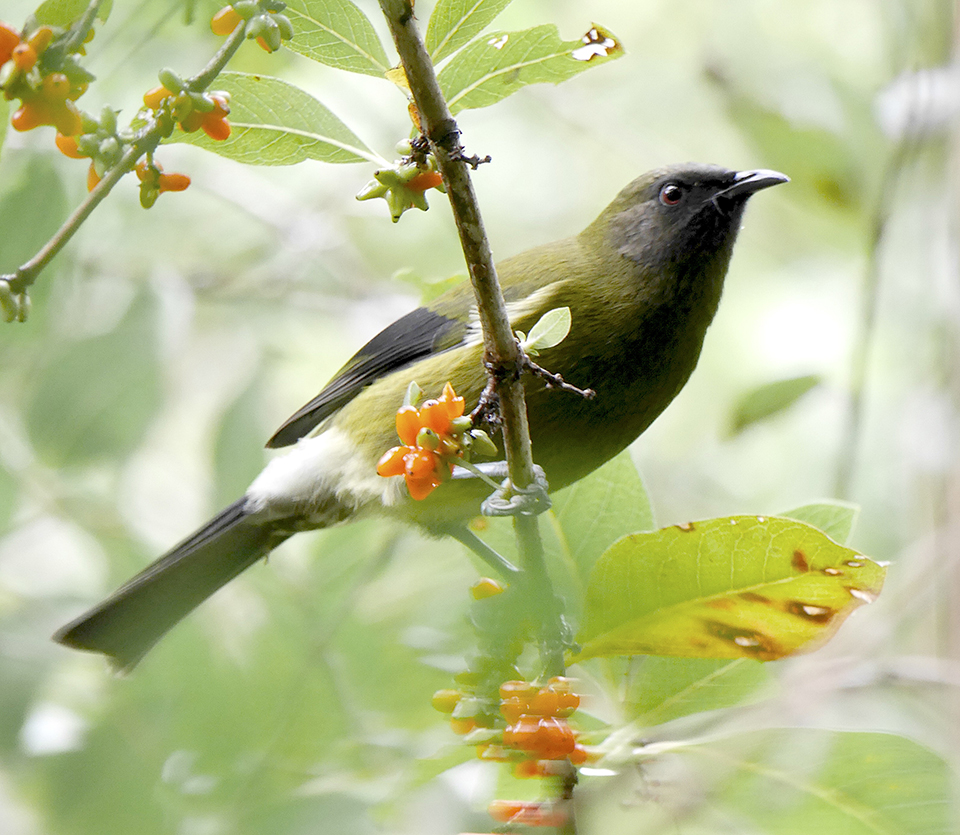

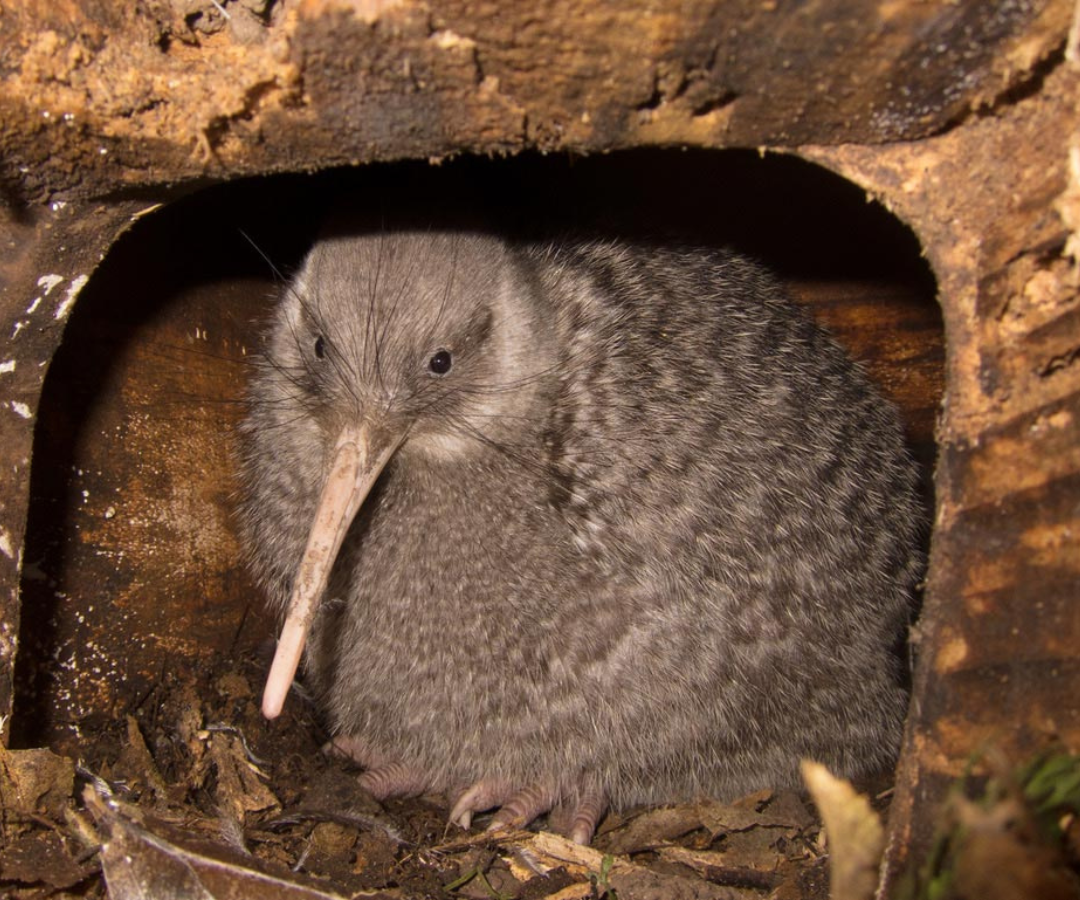
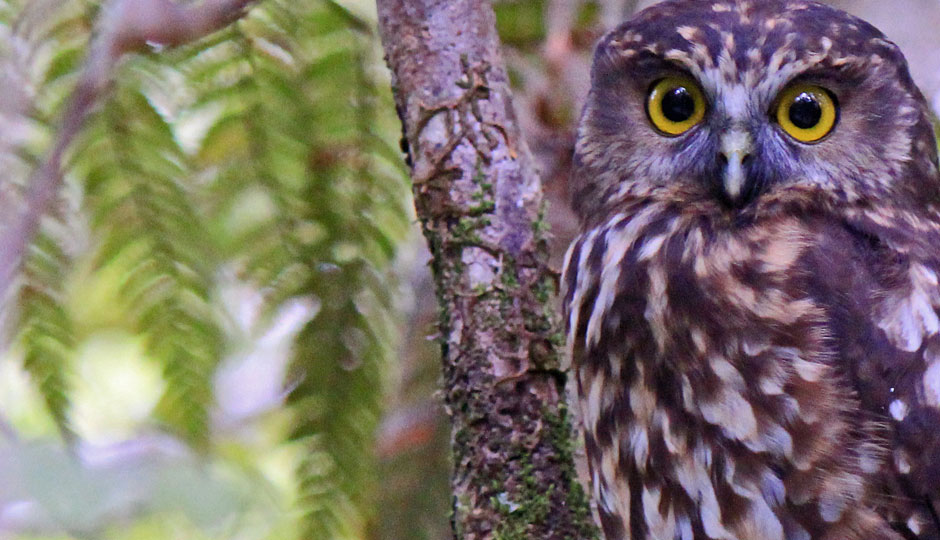
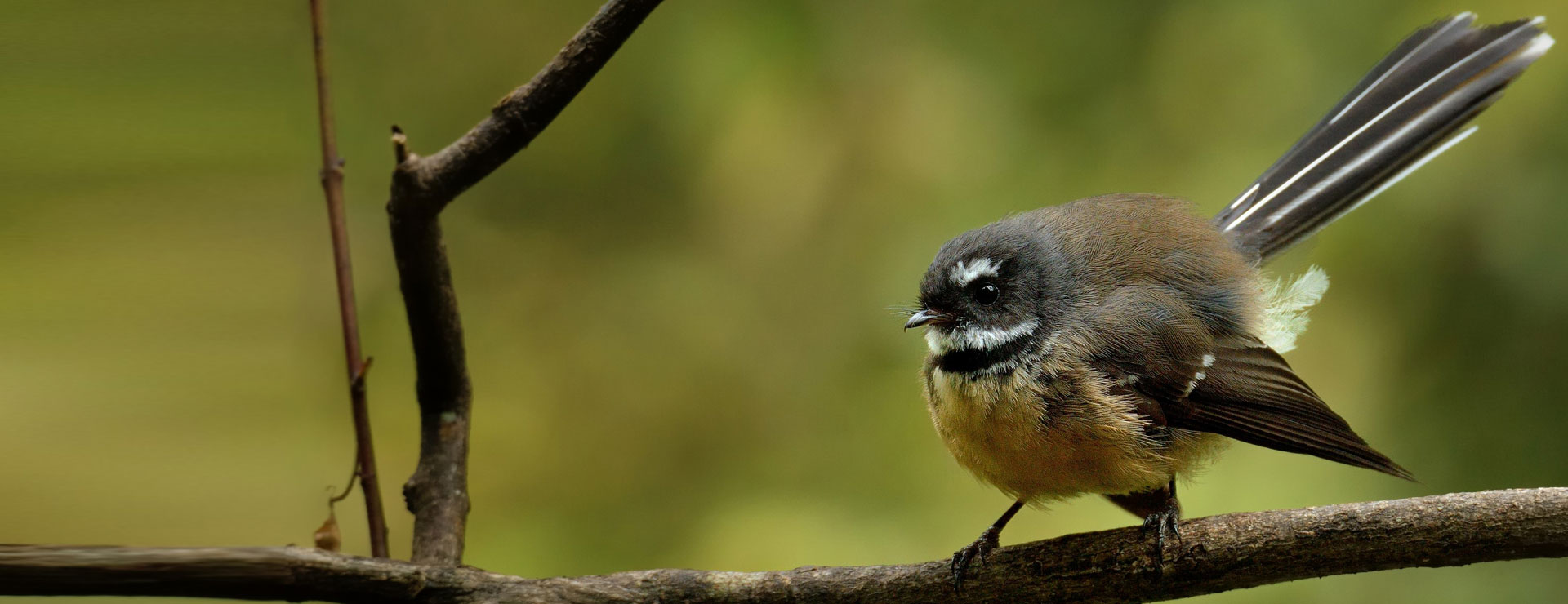
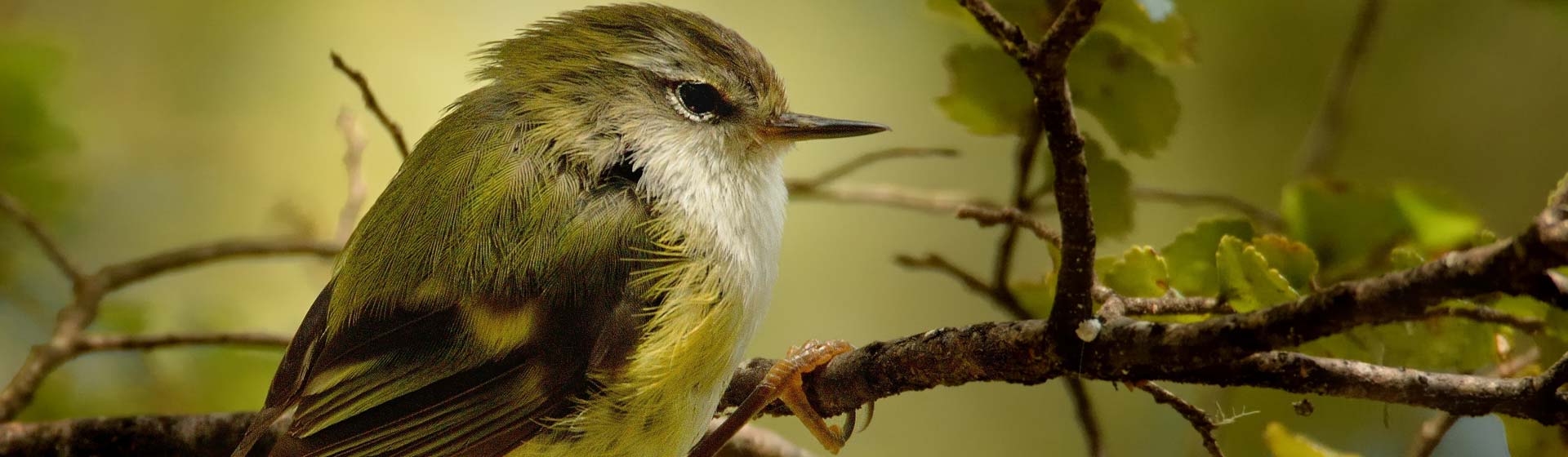
What’s here?
Meet some of our amazing residents and our incredible flora
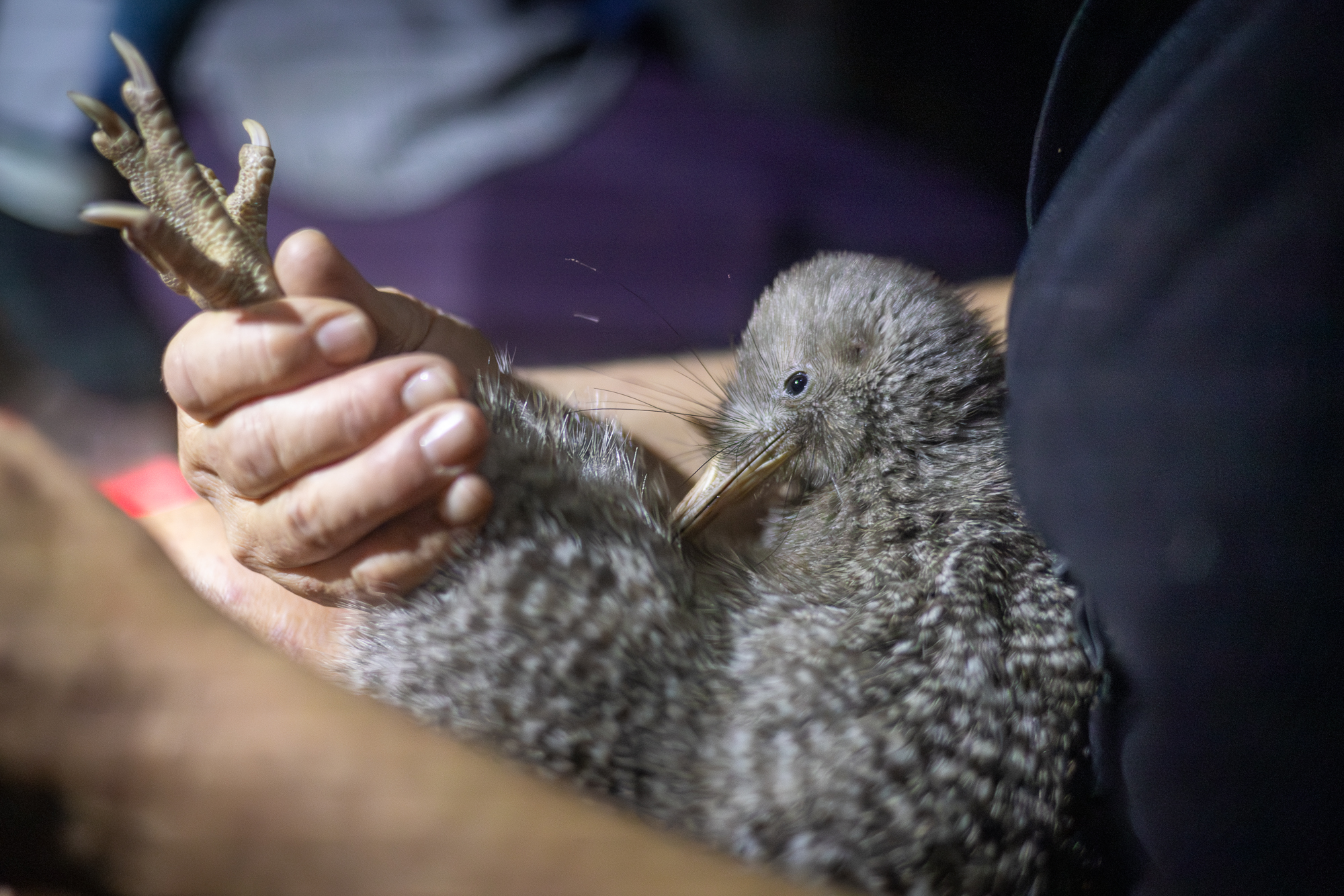
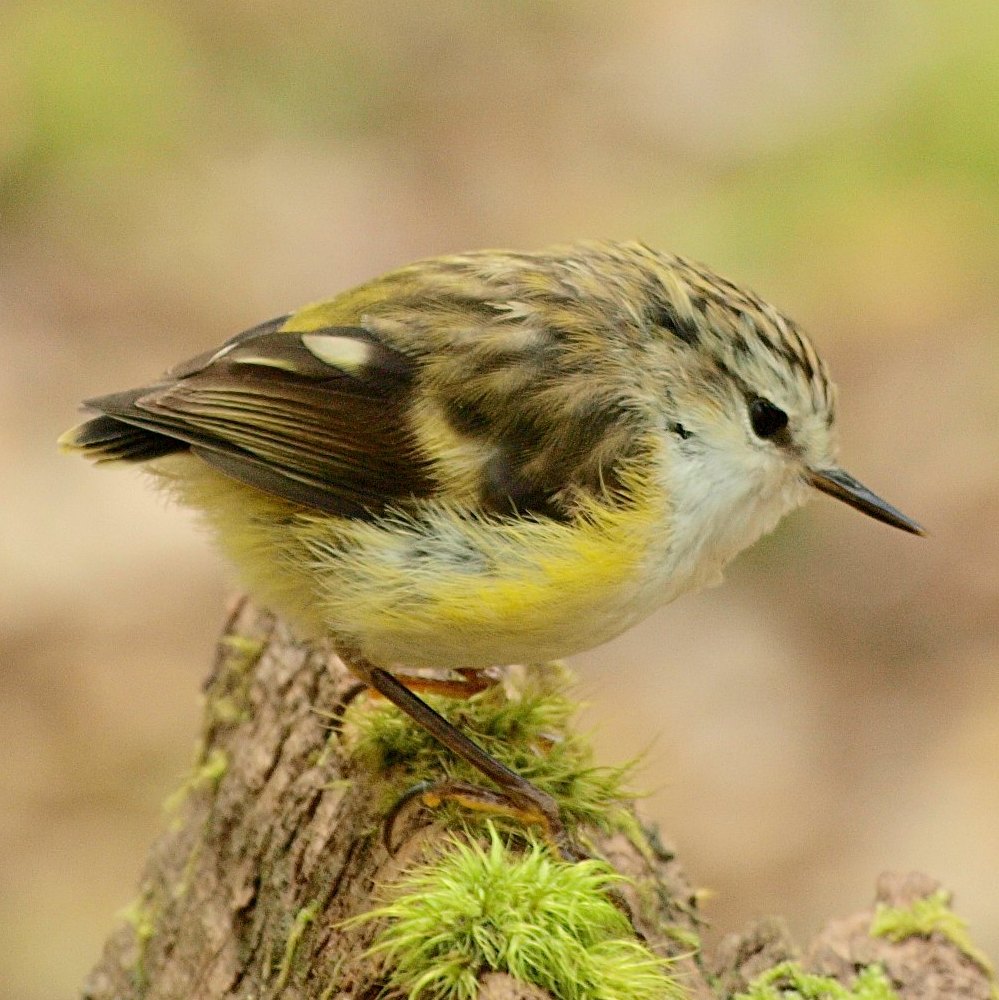
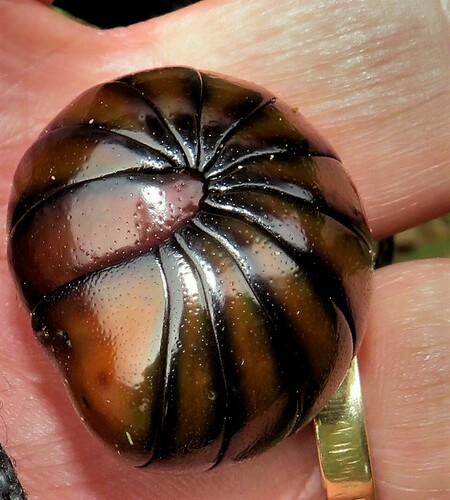
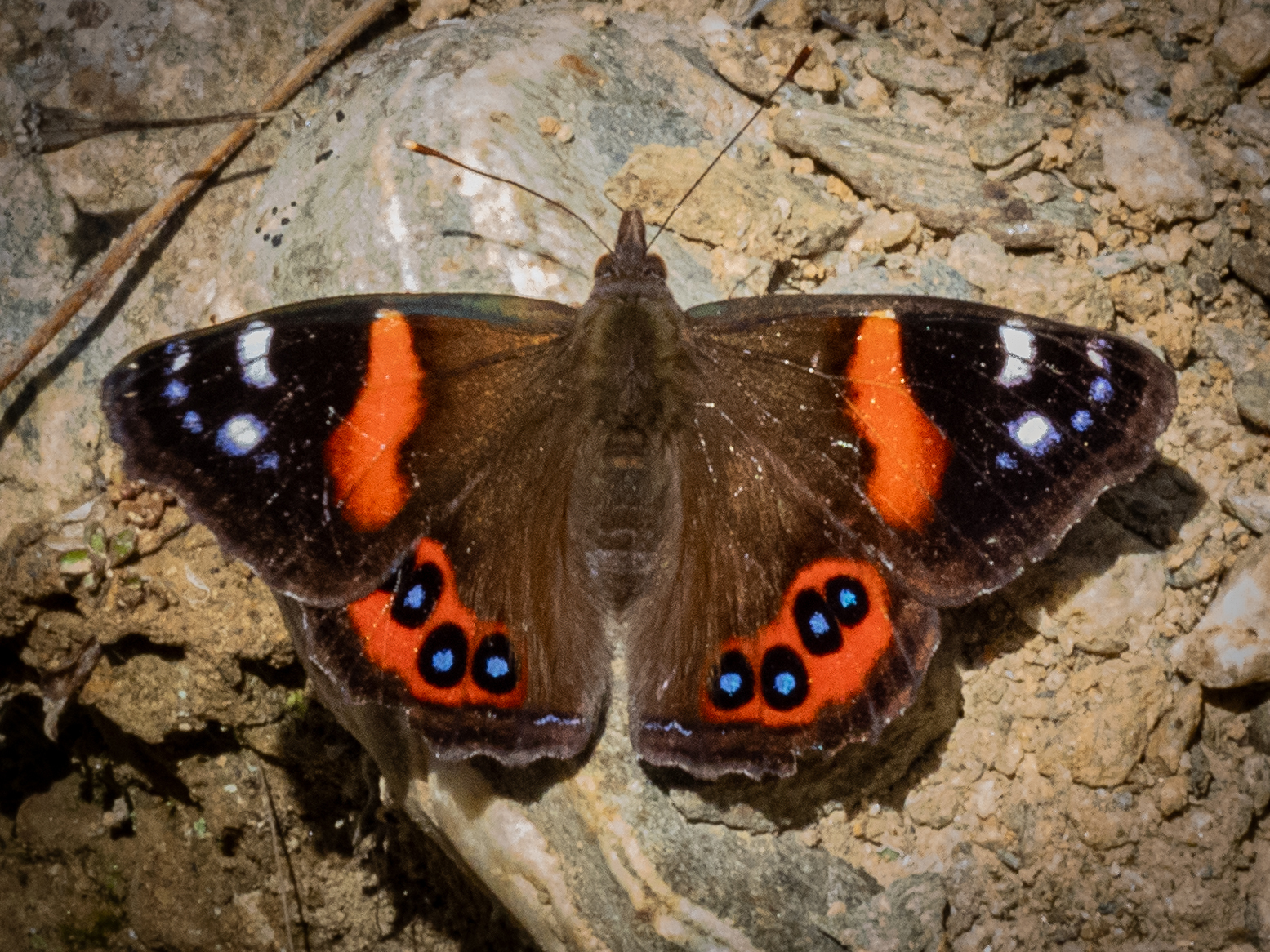

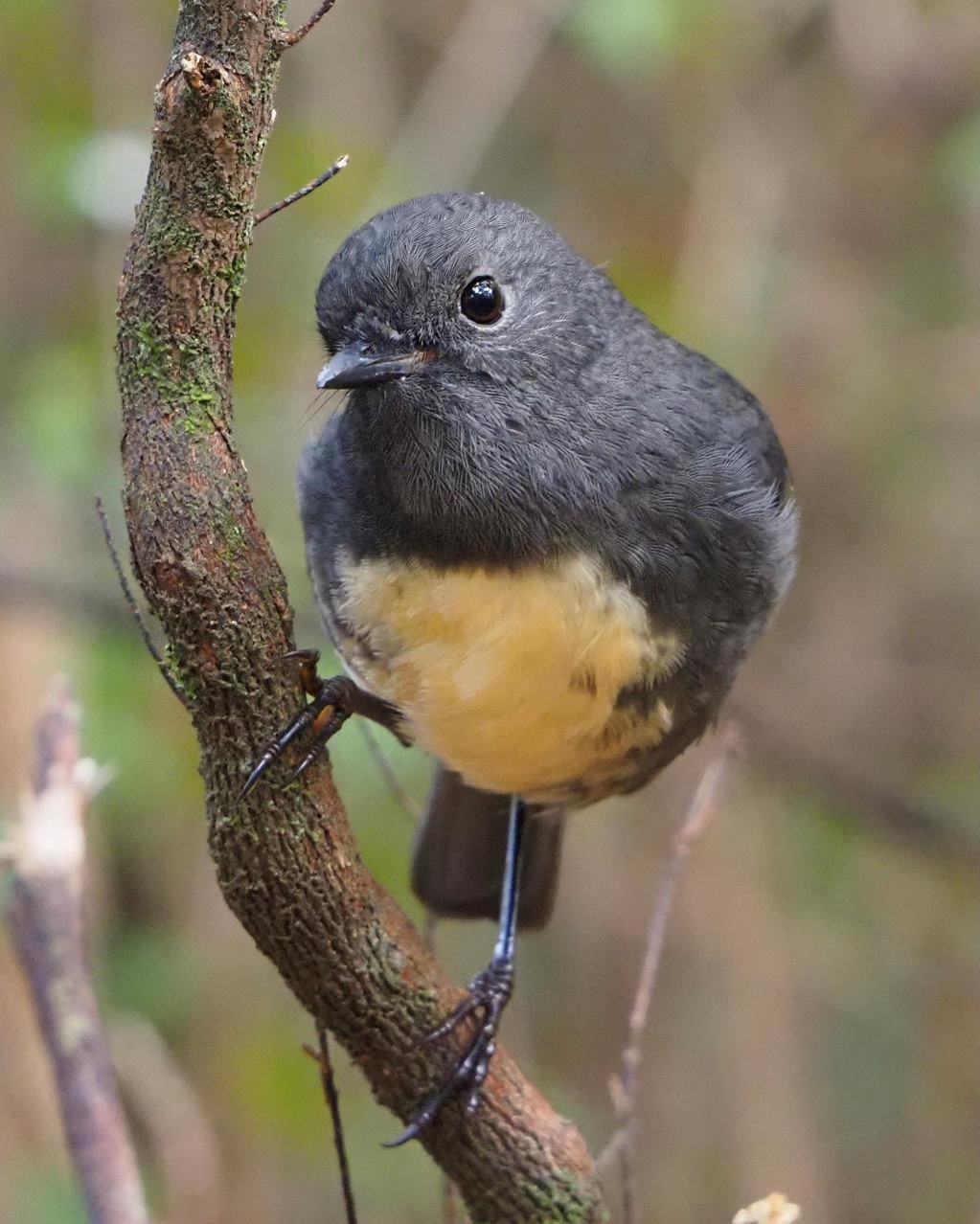
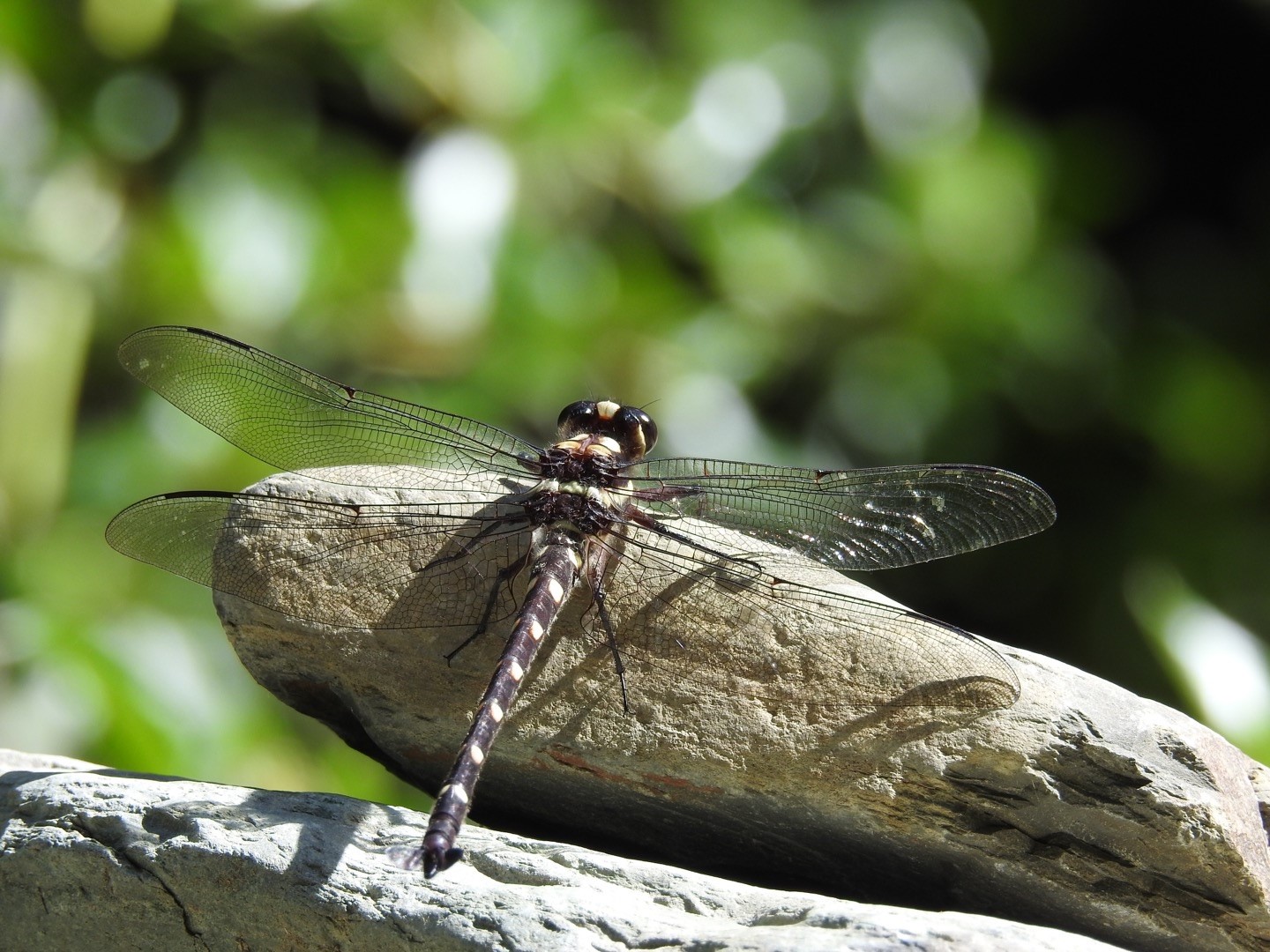
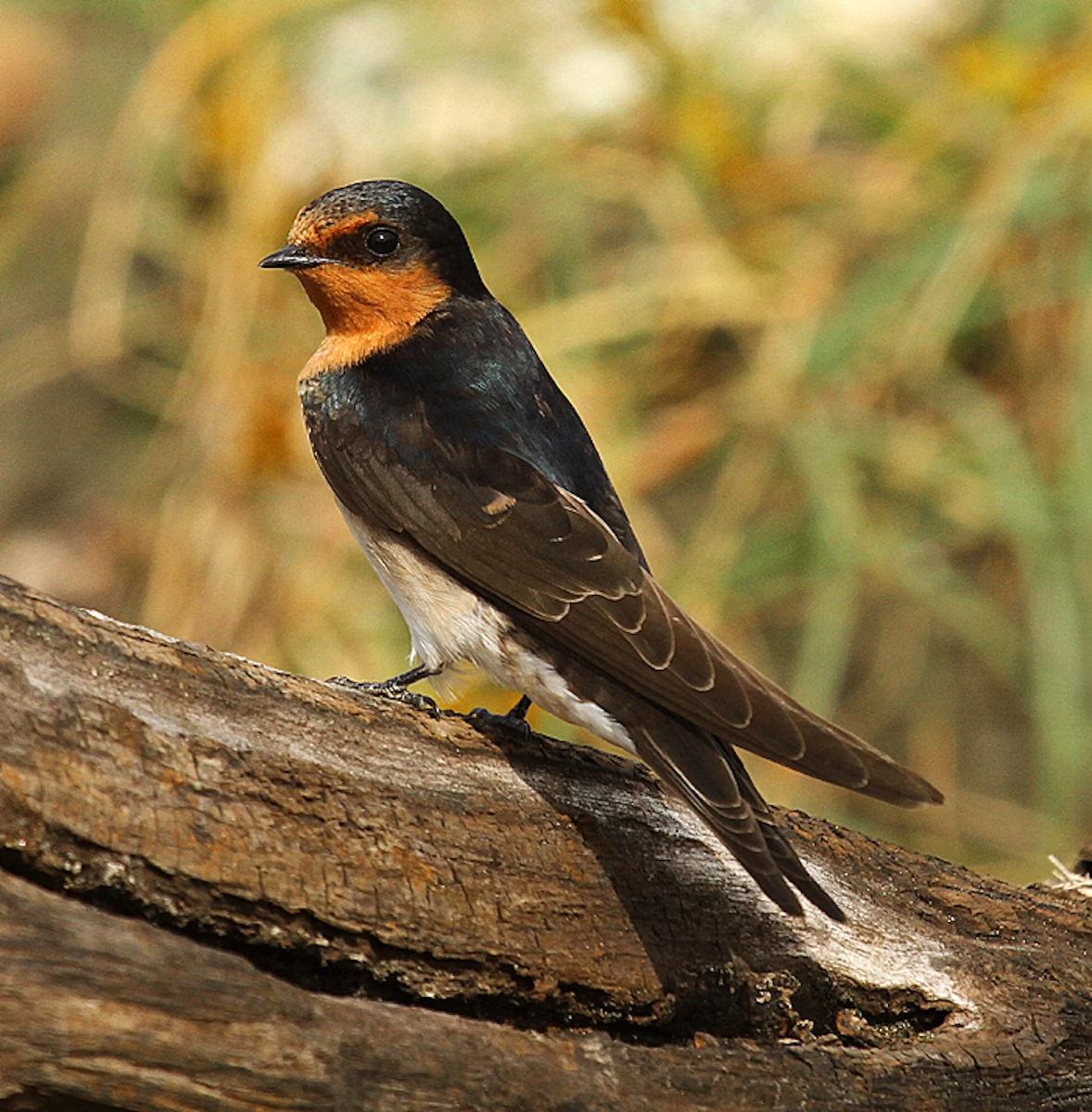
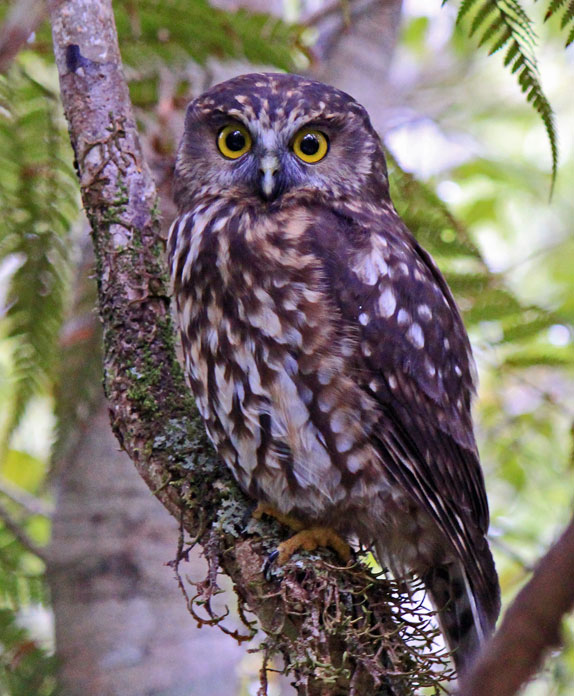

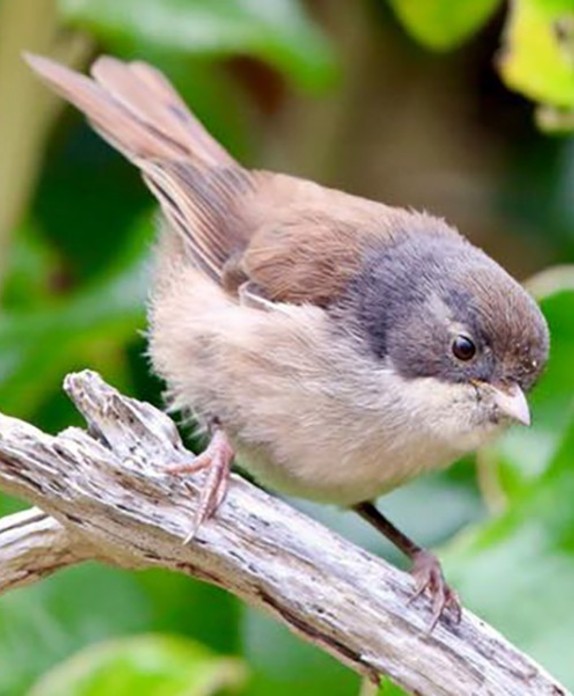
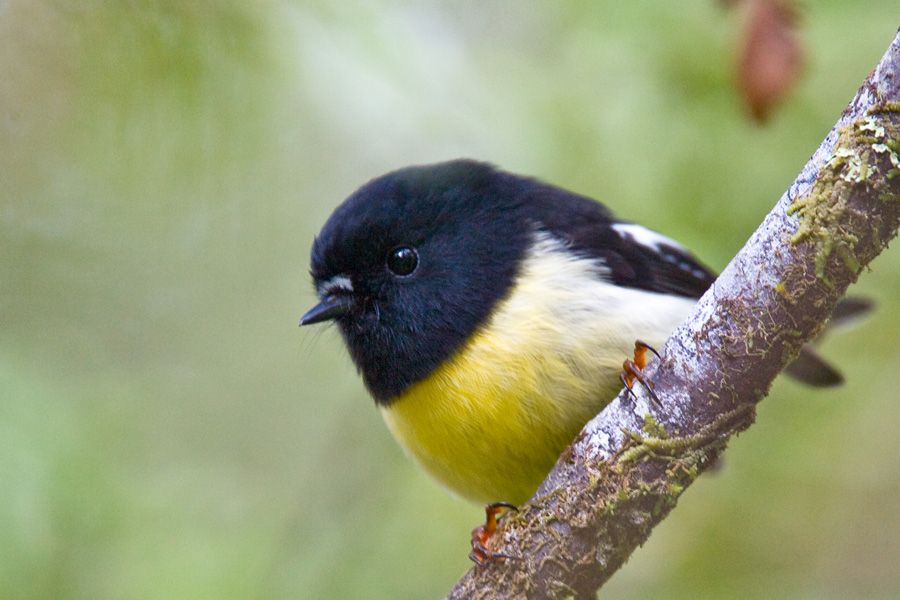

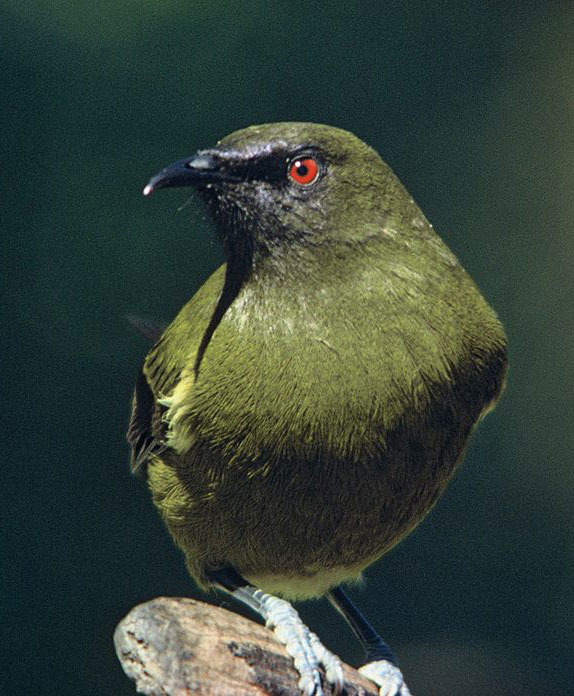
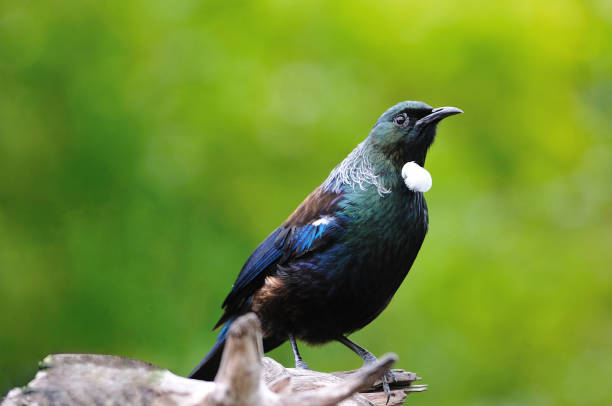
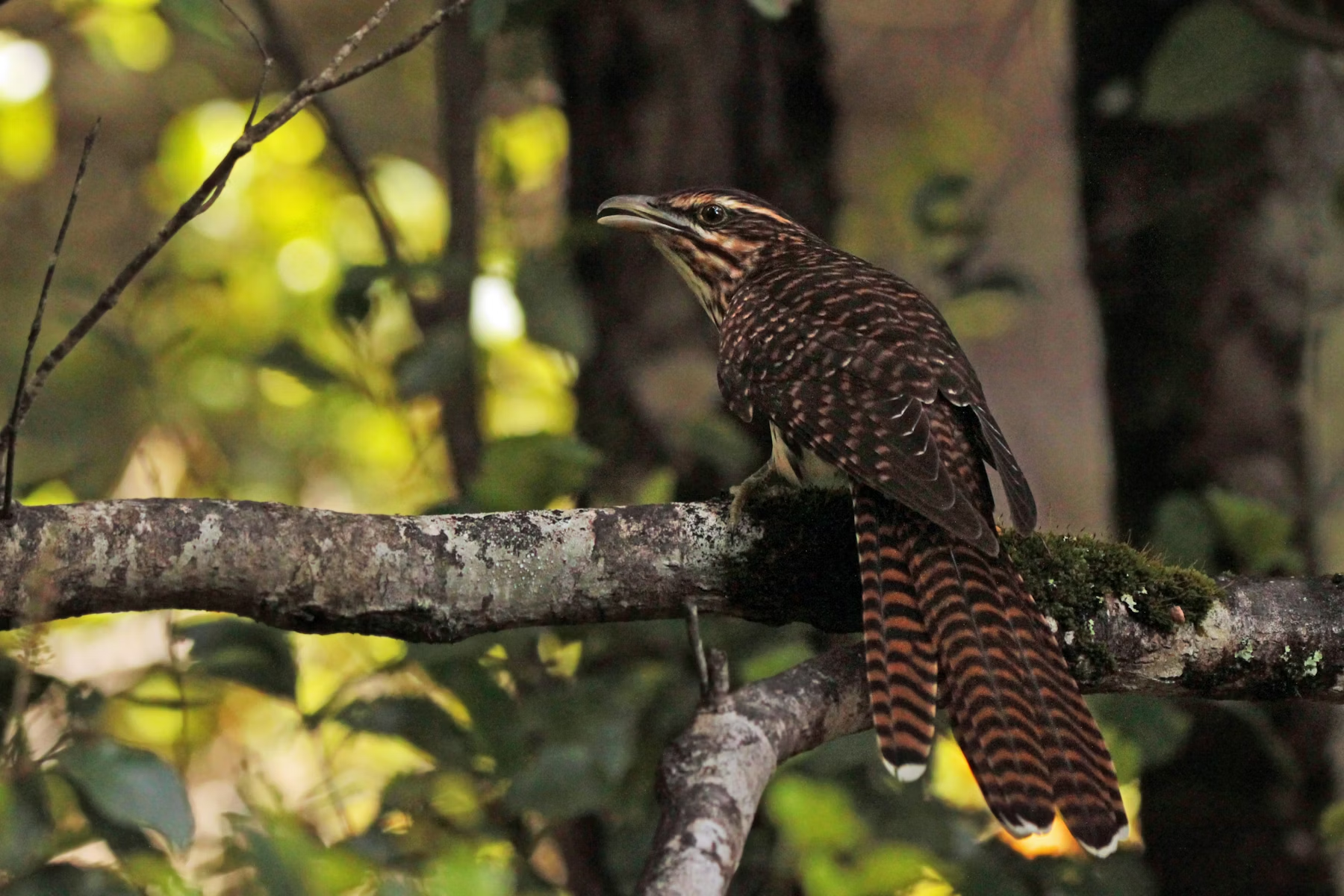
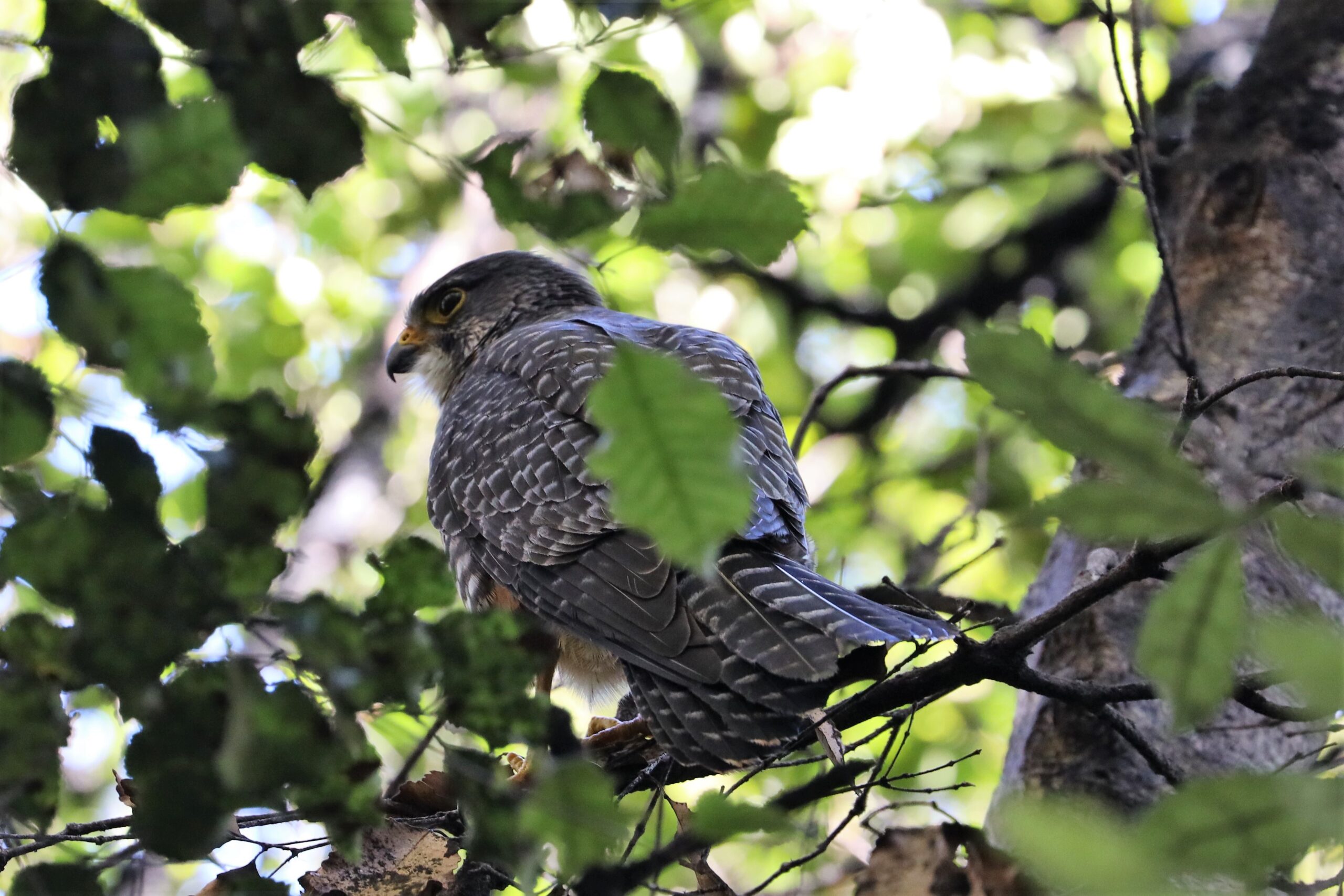
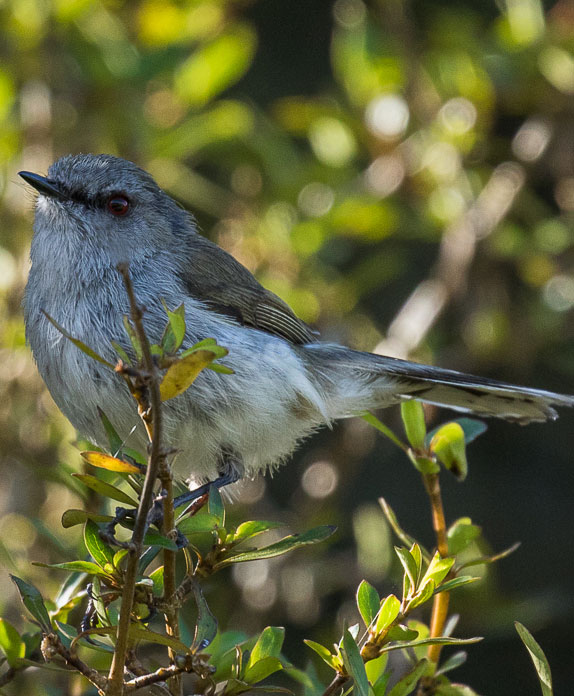
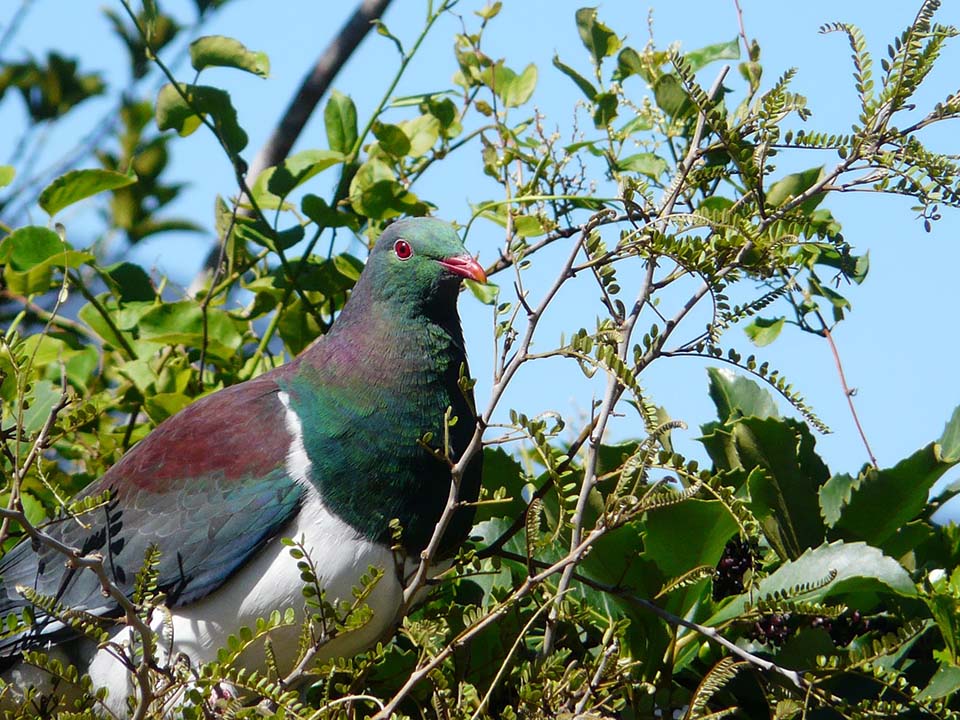
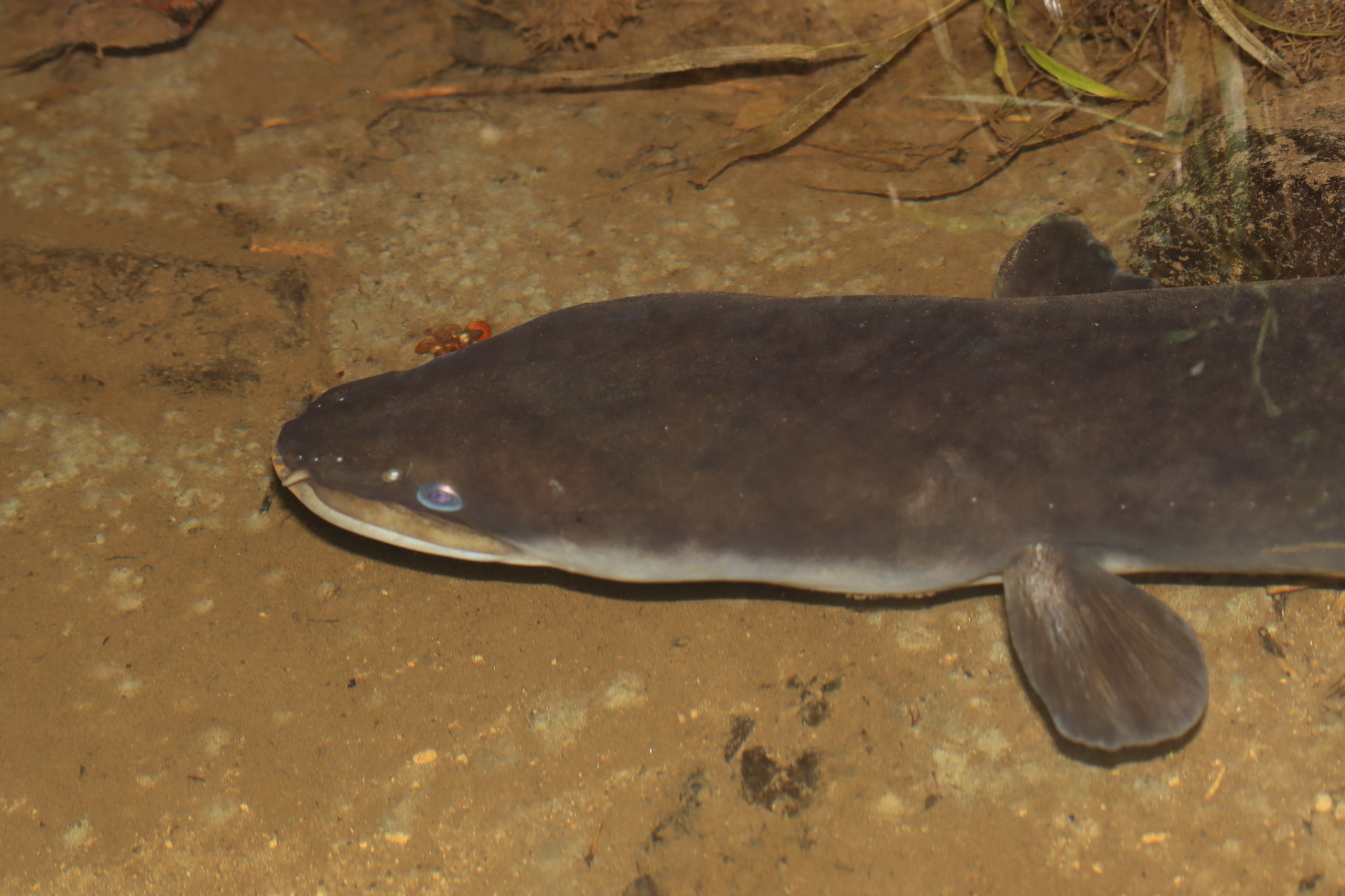
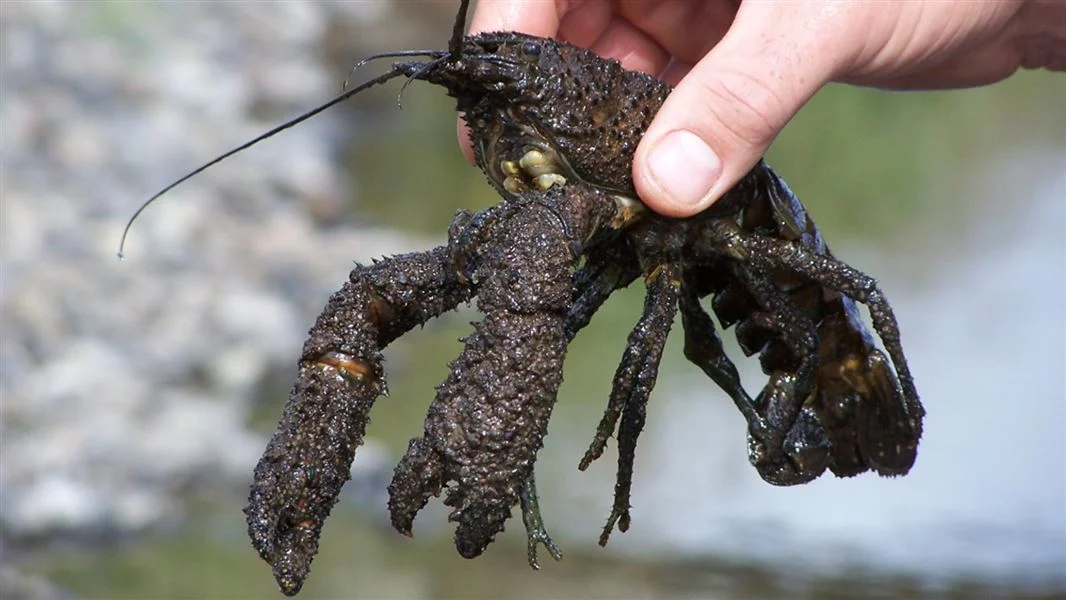
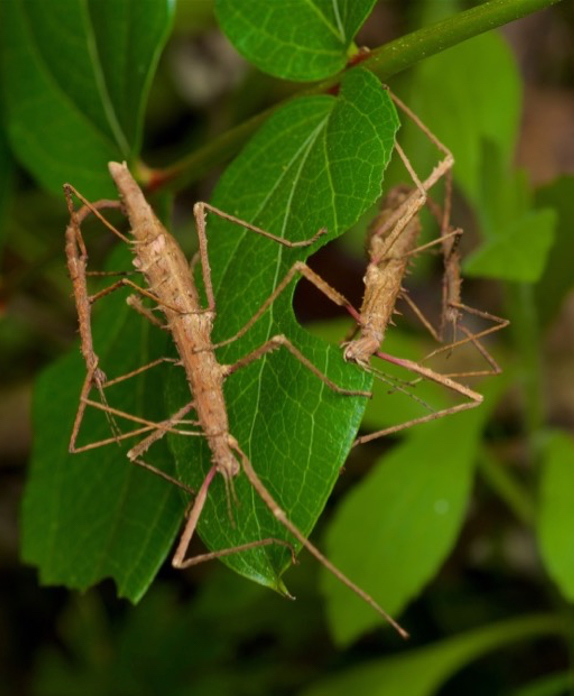
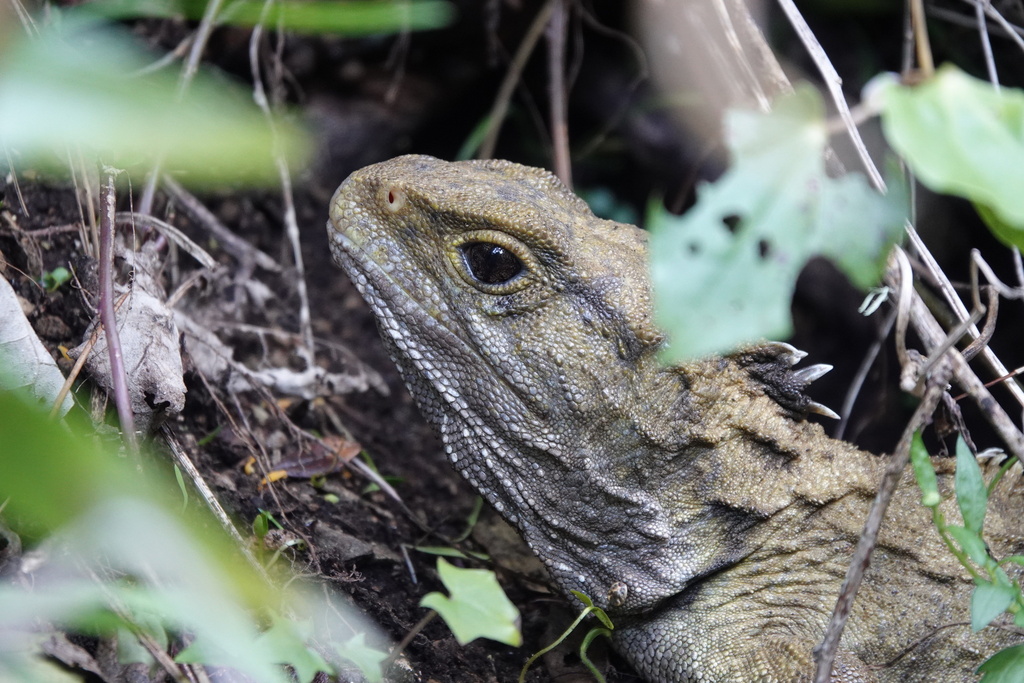
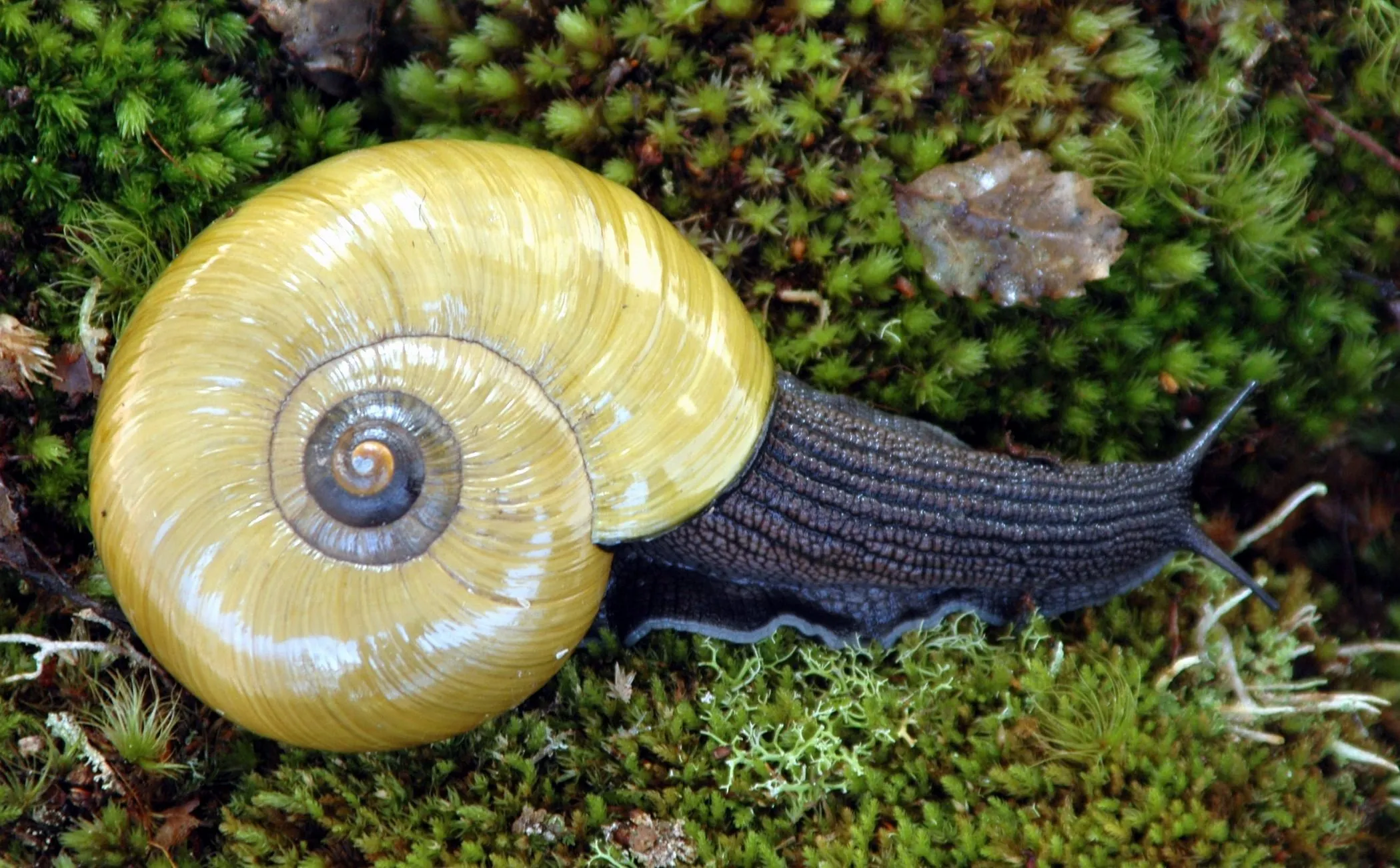
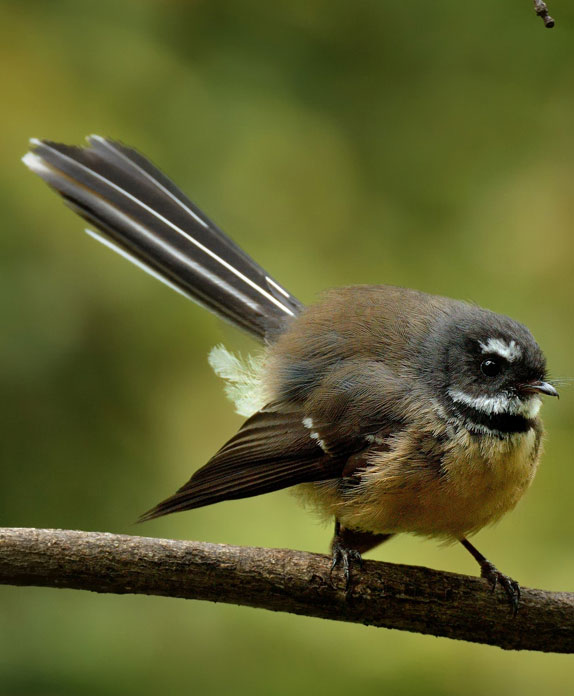
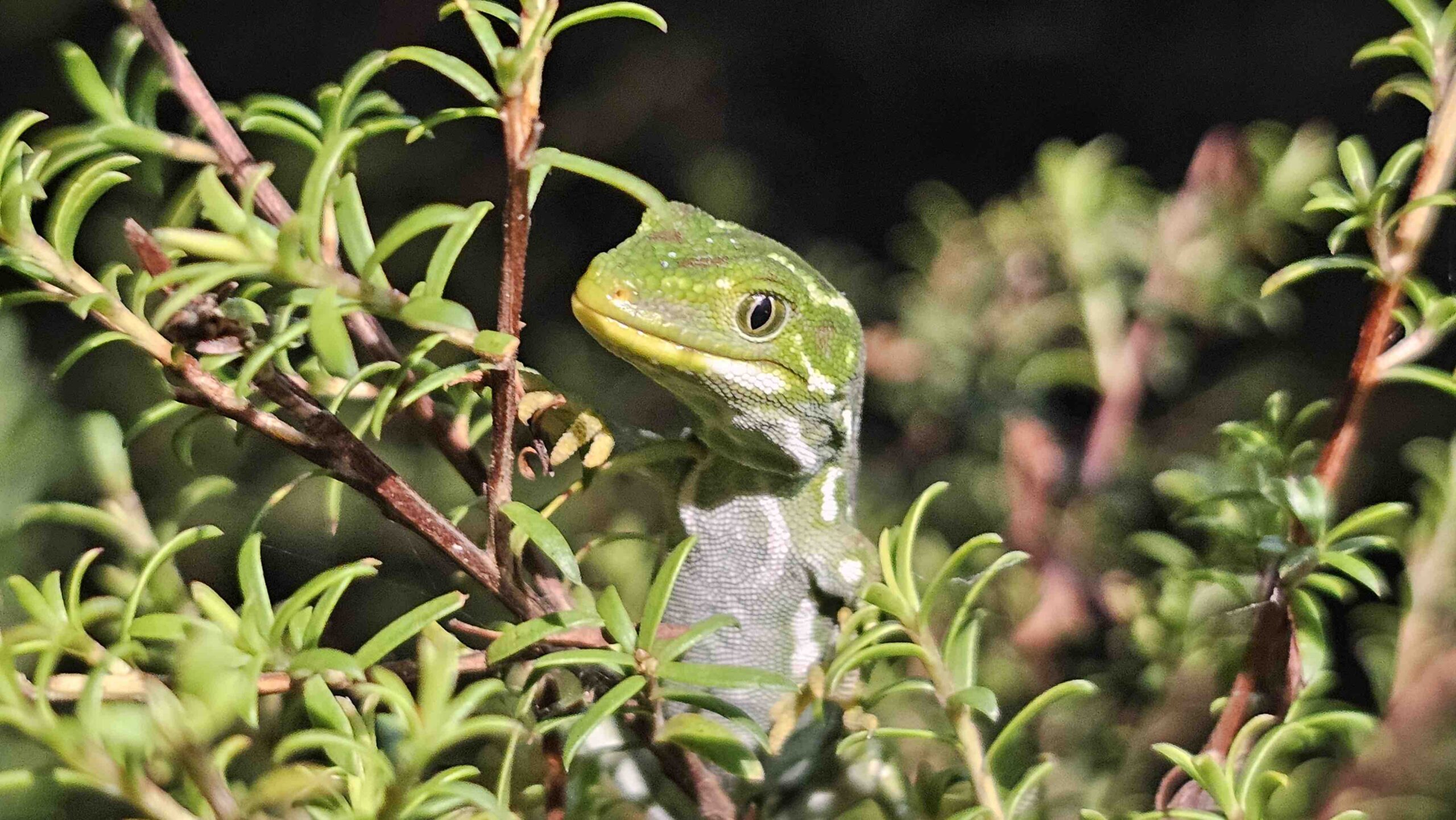
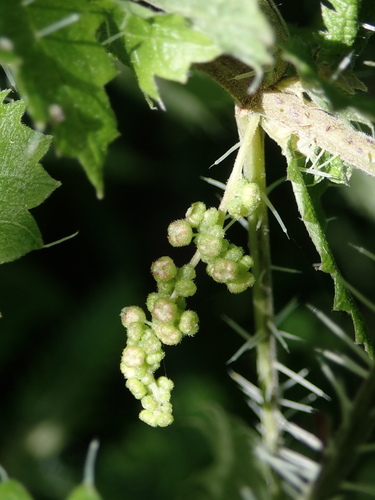
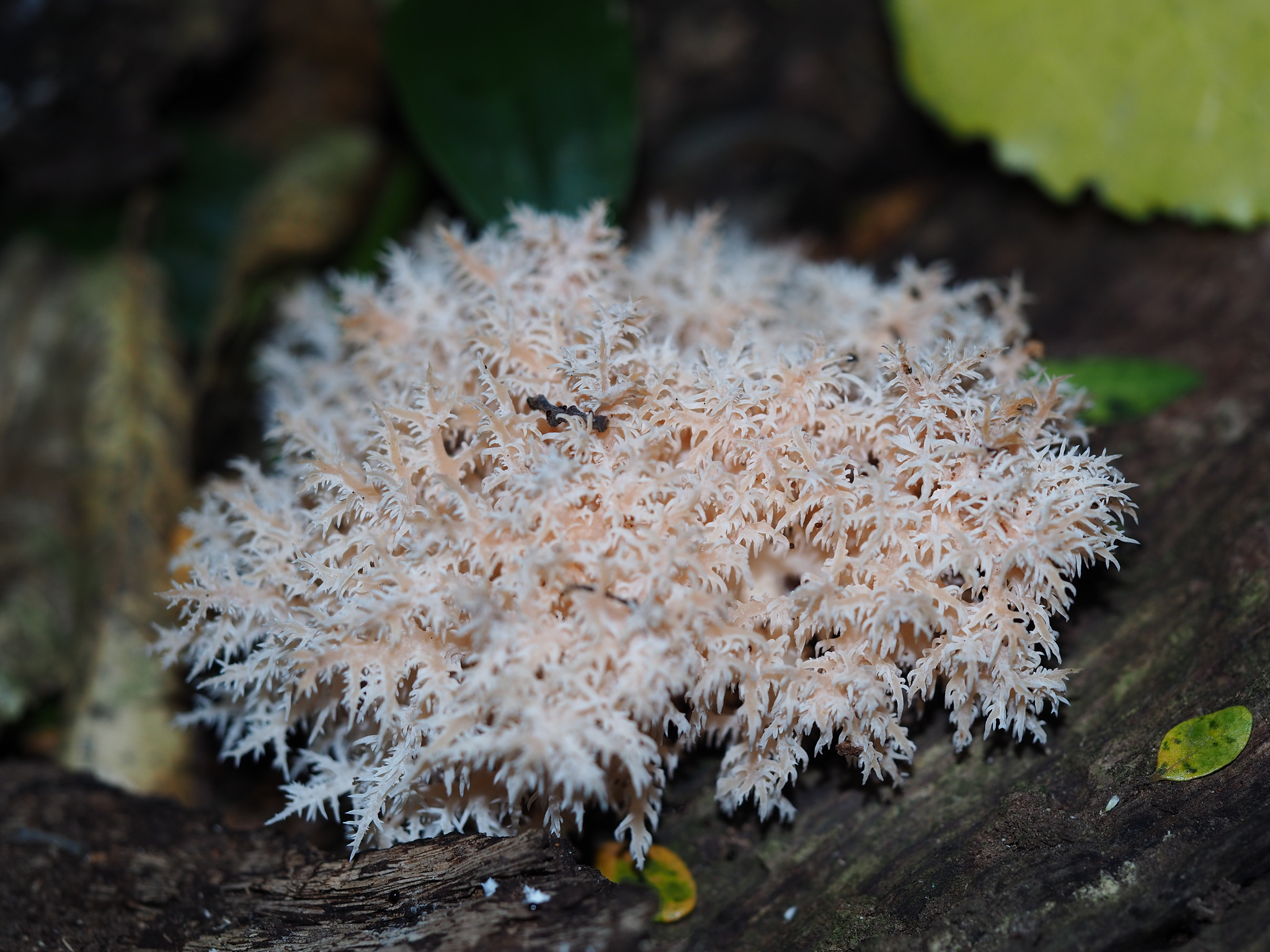
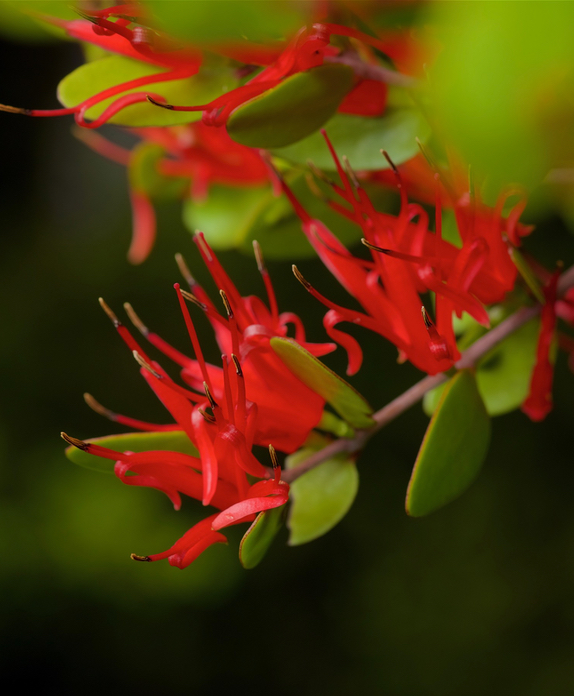
Choose your trail
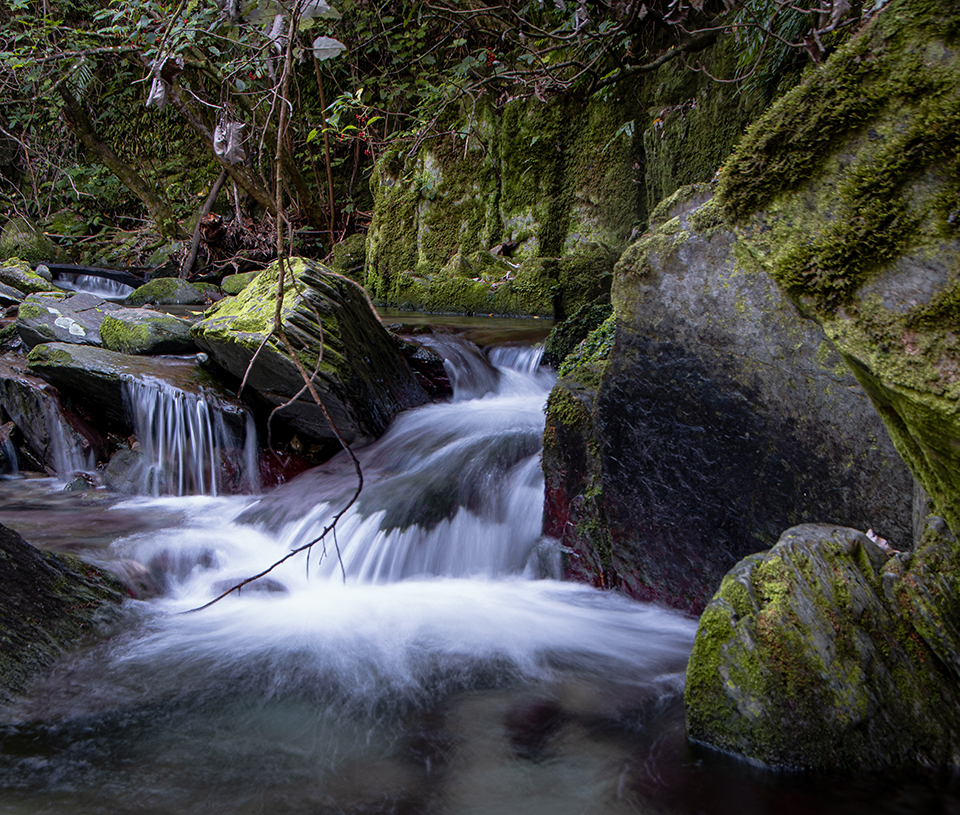
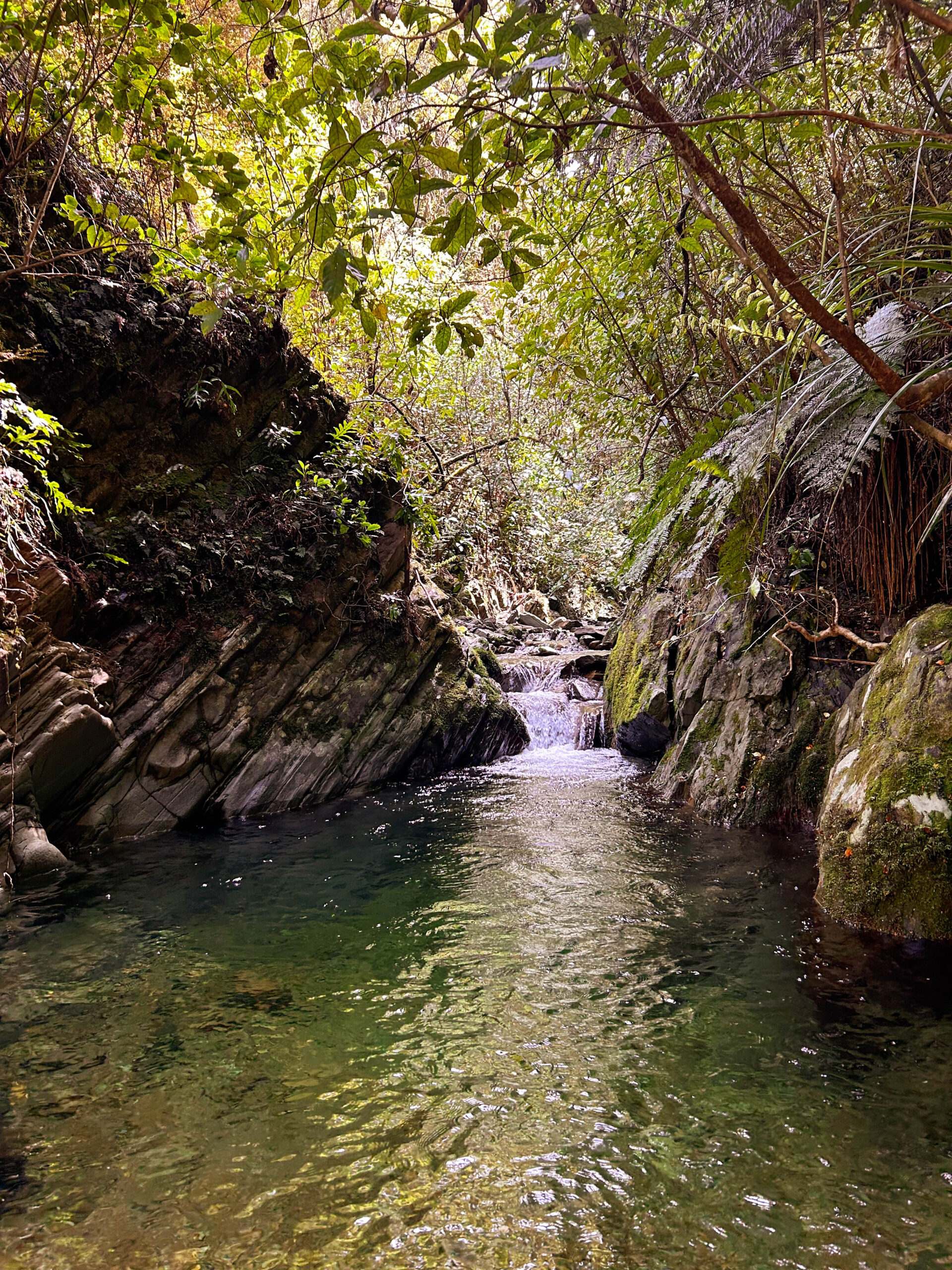
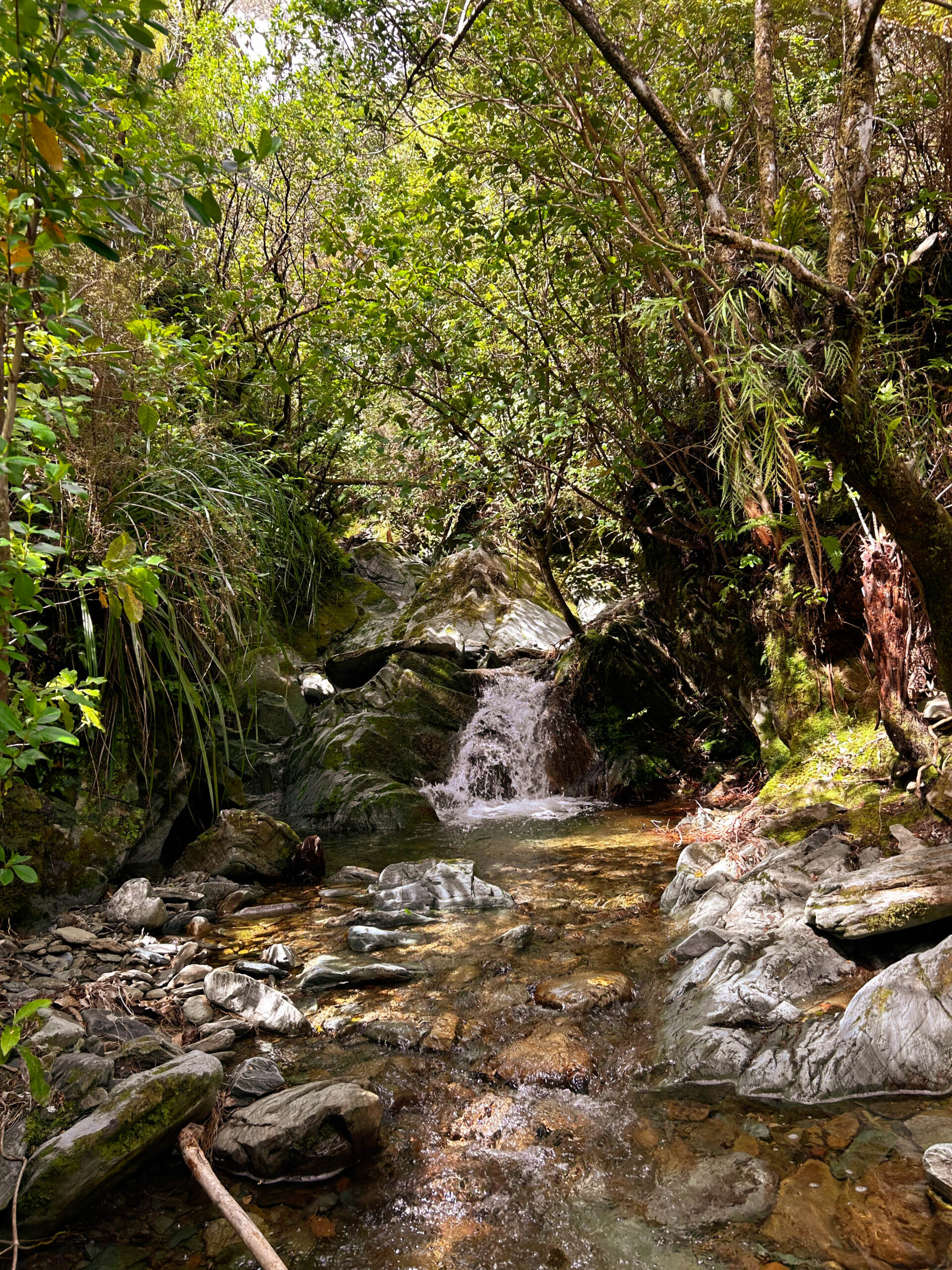
Which trail will you take today? Choose from short, medium and long day walks. Explore some of the best walks in Nelson and immerse yourself in the Sanctuary for a day.
Visitor Reviews
Follow us on Instagram
@brooksanctuary
Share your photos with #brooksanctuary
A Fantastic Fungi Adventure 🍄
Come and get your fungi face on at Brook Waimarama Sanctuary!
Join our guided Fungi Tours running in May and explore the incredible diversity of fungi thriving in the ngahere. Learn how these fascinating organisms support the health of the ngahere, spot unique species with knowledgable guides, and experience the sanctuary in a whole new way.
Perfect for nature lovers, curious minds, and anyone wanting a deeper connection to Aotearoa’s native environment.
Spots are limited – book your Fungi Tour today and don’t miss out!
👉 Secure your place now and step into the world beneath the forest floor.
📷Photo credit: Rebecca Bowater
#fungi #nelsontasman #gguidedtour #nature
May 11


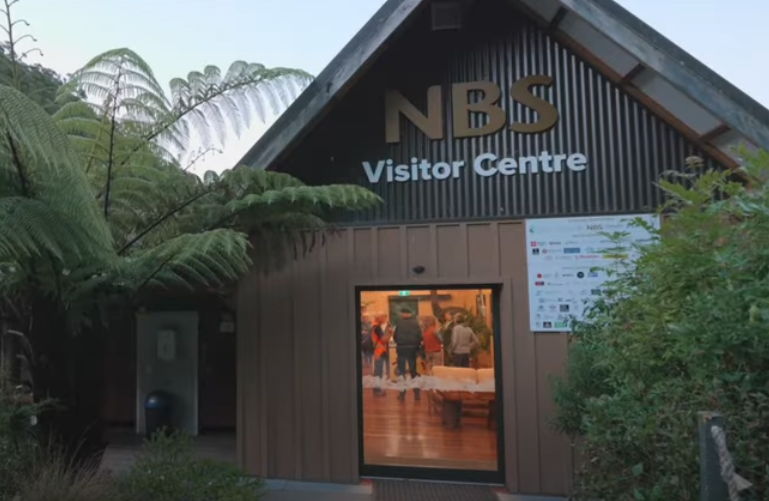
Ngā mihi nui to @nbs.co.nz for their support of the Sanctuary.
As a longstanding sponsor, NBS plays an important role in helping us protect and preserve our 690-hectare pest-free Sanctuary for future generations.
Your generosity also helps support local people when they need it most. We’re incredibly grateful for your partnership and commitment to our community.
#bankingforlife #nbscommunity #brookwaimāramasanctuary #nelsontasman
May 10

Sideways roly-poly: kiwi chick edition 🐣
This kiwi pukupuku chick tries a shortcut, takes an almighty tumble, pops straight back up, and, full of determination, makes up the bank the second time.
Our tiny fluff ball is learning some important life lessons.
If this made you smile, share it with someone who needs that energy today.
#kiwi #kiwichick #newzealandwildlife #wildlifeofnewzealand #nznature #naturelovers #conservation #wildlifevideo #cuteanimals #feelgoodvideo #naturevideo #forestfriends #aotearoa #nelsonnz #visitnelson #savethekiwi
May 7

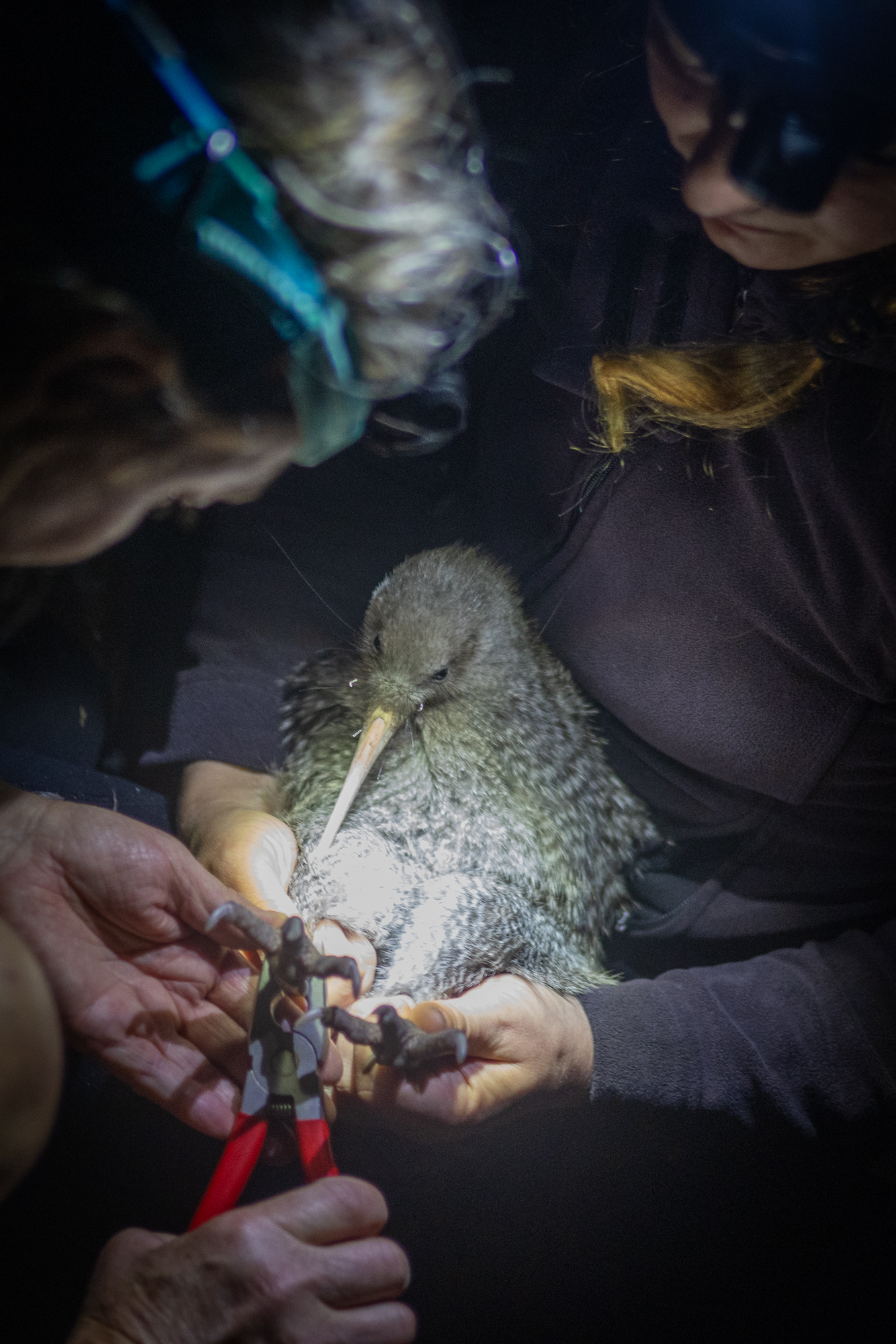
One year ago, something truly special arrived at the Sanctuary — 41 precious kiwi pukupuku ✨
Since then, it’s been an incredible journey. From careful monitoring to those quiet, thrilling moments of discovery, we celebrated our first chicks just before Christmas last year and now estimate that 10–15 have successfully hatched within the Sanctuary. A powerful sign that this tiny, rare kiwi is thriving.
Our night tours have brought visitors closer than ever to these elusive taonga, creating unforgettable experiences and deepening connections to Aotearoa’s unique wildlife.
Every visit, every donation, and every bit of business support help protect not only kiwi pukupuku, but all the species that call the Sanctuary home. Together, we’re building a future where they can continue to grow and flourish in a safe, pest-free environment.
We’re incredibly grateful to our staff, volunteers, and supporters for helping turn this vision into reality.
Here’s to one year of kiwi pukupuku in Whakatū (Nelson) — and many more to come.
🌿✨
📷Photo credit: Sean McGrath
@docgovtnz @nelsoncitycouncil @digitaldiligencenz @nelsontasmannz @nelsonairportnewzealand @savethekiwinz @terunangaotoa
May 6

🔊 You’ll usually hear kākā before you spot them.
That scratchy, excited call from the canopy is often your first clue.
Listen for the harsh, rhythmic “ka-aa” as they fly above the forest canopy, or a sharp, grating “kraak” if they’re disturbed. They also have a range of loud, musical whistles that can vary from place to place.
Then look up for a large, olive-brown parrot cutting between trunks and branches, often quicker than your eyes can track.
How to spot them: Movement: a chunky forest parrot shape, often climbing and clambering rather than perching still
Watch for colour in flight: a warm red-orange flush under the wings when they take off
Check the ground: “falling fragments” like chewed seed pods, shredded bark, and nibbled plant pieces can mean a kākā has been feeding above you.
Save this for your next walk, and tag someone who always hears birds but never sees them.
“Let them be wild – never feed kākā”
This translocation is being carried out in partnership with @ngatiapakiterato , @docgovtnz and @natureland_wildlife_trust
📷 Photos: Phillip Cochrane
#WelcomingKākā #kākā #theSanctuary #BrookWaimāramaSanctuary #nativebirds #conservationnz #nelsonnz #tetauihu #ngahere
May 4

A Fantastic Fungi Adventure 🍄
Discover the hidden world of fungi at Brook Waimarama Sanctuary!
Join our guided Fungi Tours and explore the incredible diversity of fungi thriving in the ngahere. Learn how these fascinating organisms support the health of the ngahere, spot unique species with knowledgable guides, and experience the sanctuary in a whole new way.
Perfect for nature lovers, curious minds, and anyone wanting a deeper connection to Aotearoa’s native environment.
Spots are limited – book your Fungi Tour today and don’t miss out!
👉 Secure your place now and step into the world beneath the forest floor.
🌐 www.brooksanctuary.org.nz/visit/guided-tours-experiences
@nelsontasmannz
#fungi #brookwaimāramasanctuary #forest #naturelovers #fungitours
Apr 29
